Composting sounds like something for serious, experienced gardeners, with special bins and secret techniques. It really isn't. At its heart it's the most natural process there is: dead plant material breaks down and returns to the soil, exactly as it does on a woodland floor every autumn. All you're doing is gathering that process into one spot and giving it a nudge.
The payoff is hard to beat. You turn kitchen scraps and garden waste that would otherwise be thrown away into dark, crumbly compost worth more than anything you can buy in a bag. It's free, it's satisfying, and it's the single best thing you can make for your garden. Let me walk you through it.
What composting actually is#
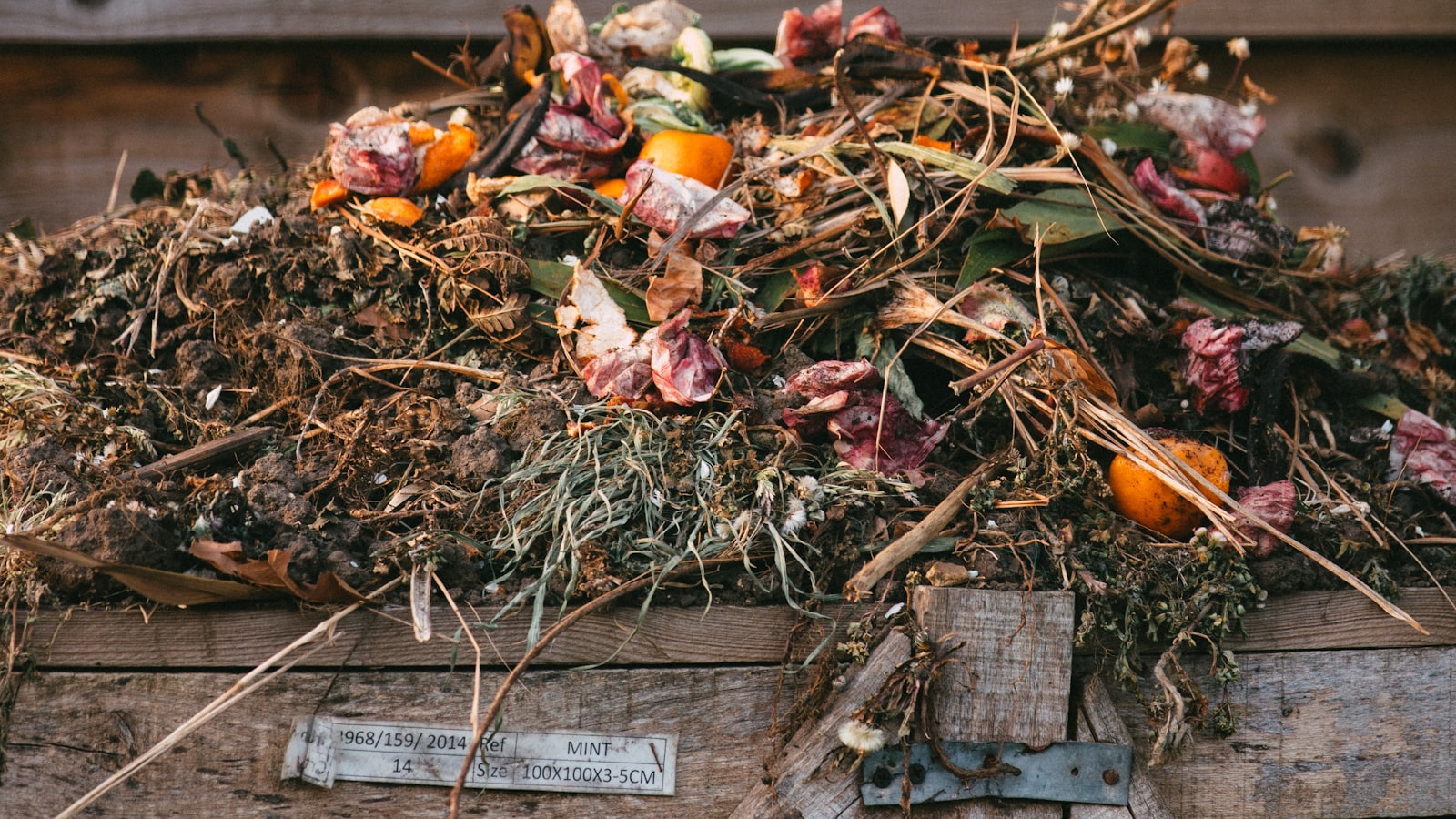
Compost forms when organic material is broken down by an army of microbes, worms, and other small creatures until it becomes a dark, soft, sweet-smelling substance that looks like rich earth. Those organisms do all the real work. Your job is simply to give them the raw material, the air, and the moisture they need to thrive.
You don't need much to start. A simple heap in a corner works, though a bin keeps things tidier and warmer, and warmth speeds up the process. A basic plastic compost bin is inexpensive and fine for most gardens; a wooden pallet enclosure costs nothing if you can find the pallets. Site it on bare soil if you can, so worms and other helpers can move up into it from below, and pick a spot you won't mind walking to in the rain.
Once it's finished, compost goes straight to work improving your beds, holding moisture, and feeding the soil life. It's the same dark, living material I keep recommending in how to improve your garden soil, except this time you grew it yourself from scraps.
Greens and browns#
Here's the one idea that makes composting click: everything you add is either a green or a brown, and you need a mix of both. Greens are the wet, soft, nitrogen-rich materials that break down fast. Browns are the dry, woody, carbon-rich materials that break down slowly and keep the heap airy. Get the balance roughly right and the whole thing hums along.
You have plenty to work with from the kitchen and garden:
- Greens: vegetable and fruit peelings, grass clippings, coffee grounds, tea leaves, soft green prunings
- Browns: dead leaves, cardboard, torn-up paper, straw, woody stems, egg boxes
- Leave out: cooked food, meat, fish, and dairy, which attract rats and smell; plus diseased plants and pet waste
A common beginner mistake is piling in nothing but grass clippings and kitchen scraps, which turns into a wet, stinking sludge. The fix is always more browns. A good habit is to keep a stash of dry cardboard or dead leaves beside the bin and add a handful of brown every time you tip in a load of green. Aim, loosely, for a bit more brown than green by volume and you won't go far wrong.
Don't overthink the ratio. If your heap smells bad, add browns; if it's dry and nothing's happening, add greens and a little water. The pile tells you what it wants.
Give it air and a little attention#
Compost needs oxygen, because the helpful microbes that produce sweet, earthy compost are the ones that breathe air. Starve the heap of oxygen and a different, smellier crowd takes over, which is why a neglected, compacted pile turns slimy and sour. The cure is simple: turn it.
Every few weeks, dig into the heap with a garden fork and mix it up, bringing the outside material into the middle and letting air into the mass. It's a bit of a workout, but it makes an enormous difference to how fast you get finished compost, sometimes cutting months off the wait. If turning a whole heap sounds like too much, even loosening it here and there helps.
Moisture matters just as much as air. The heap should feel like a wrung-out sponge, damp but not dripping. In a dry spell, splash some water over it or add plenty of wet greens. If it's sodden after heavy rain, mix in dry browns and, if you can, cover the top to keep the worst of the rain off. Warmth from a bit of sun and a decent volume of material speeds things along, so a bigger heap generally cooks faster than a tiny one.
Sorting out common problems#
Composting rarely goes seriously wrong, and almost every hitch traces back to the same few causes. A smelly, slimy heap is nearly always too wet and short of air, so turn it and pile in dry browns. A pile that just sits there doing nothing for months is usually too dry or too heavy on browns, so add greens and a little water and give it a mix.
Flies and fruit flies around the bin mean exposed food scraps, so bury fresh kitchen waste in the middle of the heap or cover it with a layer of browns. If you're worried about rats, the surest prevention is to keep meat, fish, cooked food, and dairy out entirely, and to use a bin with a base rather than an open pile in areas where rats are a known problem. None of these are disasters; they're just the heap asking for a small adjustment.
Be patient, too. Depending on the season, your materials, and how often you turn it, compost can take anywhere from a few months to a year to finish. You'll know it's ready when it's dark and crumbly, smells pleasantly of earth, and you can no longer make out most of what you put in. A few stubborn twigs or eggshells are fine; just sieve them out and toss them back for the next batch.
Put it to work#
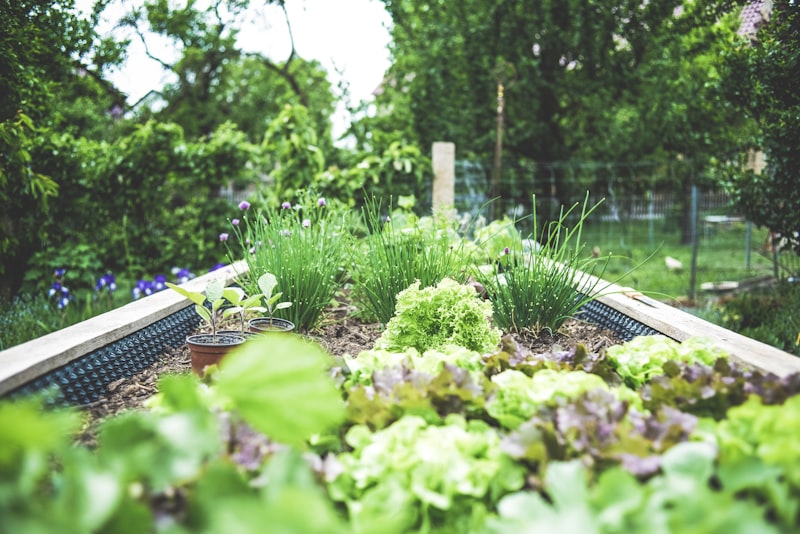
Once your compost is ready, spreading it is the fun part. Fork a layer over your vegetable beds and borders, mix it into the soil when planting, or use it as a rich mulch around established plants. It improves the structure of heavy and light soils alike, helps the ground hold water, and slowly releases the nutrients your plants need, all without a single bag bought from a shop.
Composting also quietly changes how you see waste. Peelings, cores, and spent plants stop being rubbish and become the start of next year's growth, a loop that runs on its own once you've set it going. If you're building a productive plot to feed that habit, how to start a vegetable garden pairs naturally with a compost heap. Start small, keep the balance roughly right, turn it when you remember, and you'll be amazed how much good soil you can make from what you were about to throw out.