The first time you find holes chewed through a leaf you were proud of, it stings a little. It's tempting to panic, assume the worst, and spray everything in sight. But a garden is never going to be perfectly pest-free, and honestly, you don't want it to be. A little damage is normal, and the goal isn't to win a war. It's to keep things in balance so your plants can thrive despite the odd nibble.
Once you stop aiming for perfection, pest control gets a lot calmer. Most of the time you're not eliminating anything. You're just tipping the scales back in your plants' favour with a few simple habits.
Work out what you're dealing with#
Before you do anything, find out who the culprit actually is. Different pests call for completely different responses, and treating the wrong one wastes effort and can harm the helpful creatures you want to keep. Turn a damaged leaf over and look closely, because a lot of trouble hides on the undersides.
A handful of usual suspects show up in almost every garden:
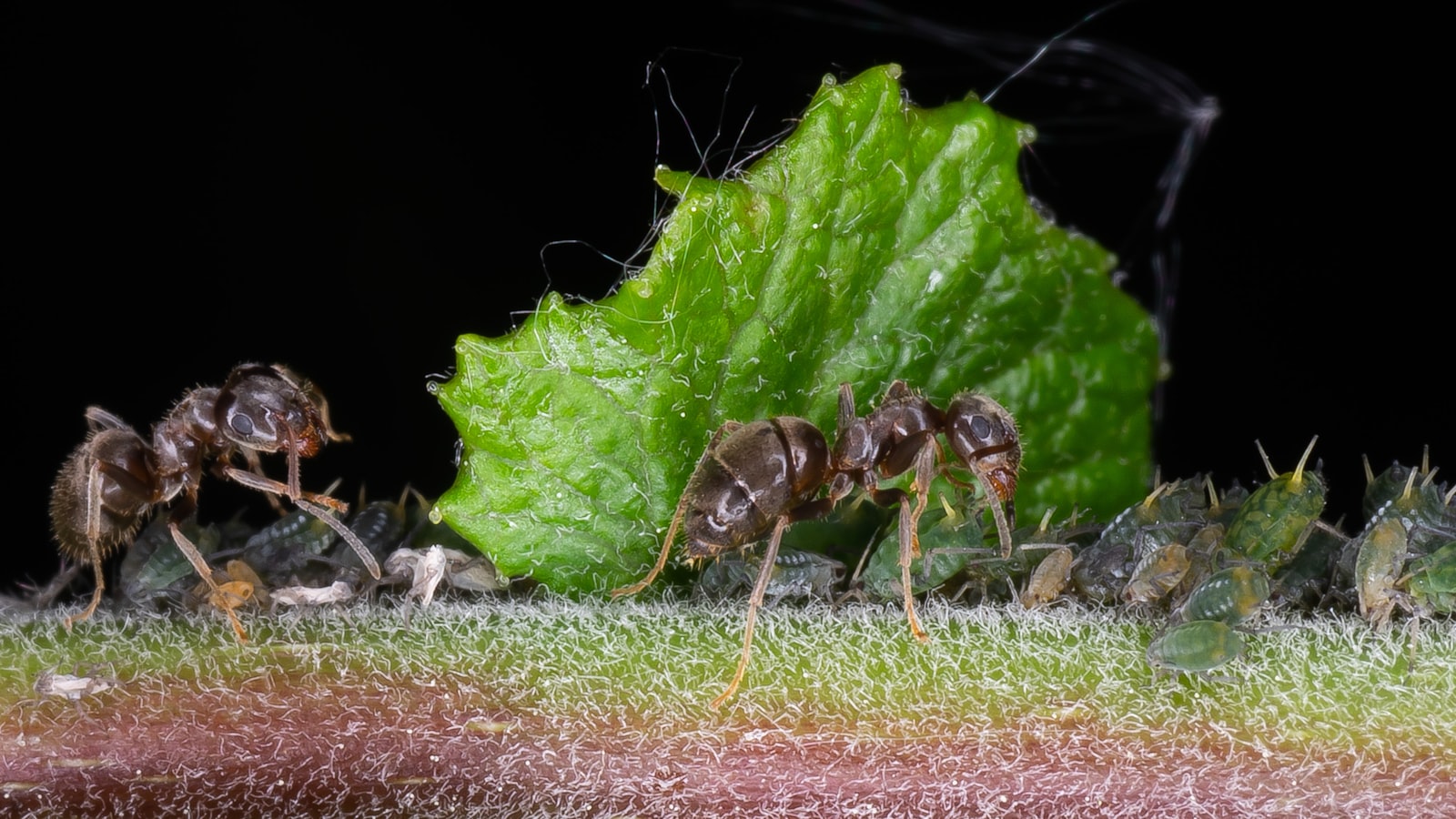
- Aphids: tiny green, black, or grey insects clustered on soft new growth and leaf undersides, leaving leaves sticky and curled
- Slugs and snails: ragged holes in leaves and seedlings sheared off overnight, with slimy trails nearby in the morning
- Caterpillars: larger, cleaner holes and, if you look, the caterpillar itself and small dark droppings
- Vine weevils: notched leaf edges above ground, while their grubs quietly eat roots in pots below
Match the damage to the pest and you'll know how worried to be. A few aphids on one shoot is nothing; a colony smothering every new bud is worth acting on. The insect on the leaf might even be one of the good ones, so look before you judge.
Prevention does most of the work#
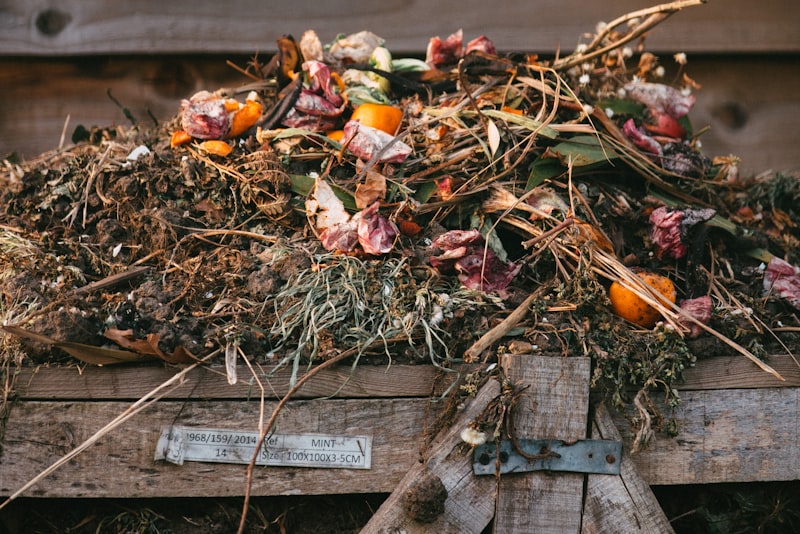
The best pest control happens long before you see a pest, and it's mostly about growing strong plants. A vigorous, well-fed plant in the right spot can lose a few leaves without missing a beat, while a stressed, struggling one gets overwhelmed. Give plants the light, water, and soil they want and you've done more for their defences than any spray. Rich, living soil is the foundation of that, which is why how to improve your garden soil is really a pest article in disguise.
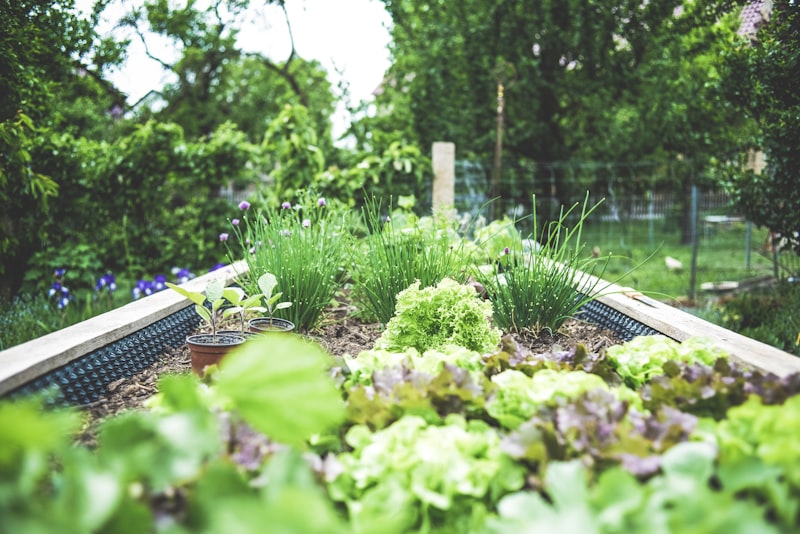
Good habits keep numbers down too. Space plants so air moves freely between them, since crowded, damp growth is where trouble festers. Clear away rotting leaves and debris where slugs shelter. Check your plants often, because a problem caught at five aphids is trivial next to one caught at five hundred. A slow walk around the garden with a cup of tea is genuinely one of the most effective things you can do.
The gardener who strolls through the beds every couple of days rarely faces a disaster. You catch the small problems while they're still small, and small problems are easy.
Let nature fight for you#
Here's the part that surprises people: your garden is full of allies, and your job is mostly to keep them around. Ladybirds and their alligator-shaped larvae devour aphids by the hundred. Birds work through caterpillars and grubs. Ground beetles patrol the soil at night, and hoverflies, frogs, and hedgehogs all pull their weight. Reach for a broad spray and you kill these helpers alongside the pests, which usually makes things worse, because the pests bounce back faster than the predators.
So garden in a way that invites them in. A shallow dish of water, a patch left a little wild, a few flowers among the vegetables, and you build a workforce that never asks for wages. Growing blooms that draw in beneficial insects is one of the most satisfying ways to do it, and how to grow a pollinator-friendly garden walks through the plants that bring them flocking. Give predators a home and many pest problems quietly sort themselves out.
Reach for gentle controls first#
When a pest does get out of hand, start with the mildest thing that could work and only step up if it doesn't. Often the gentlest option is your own two hands. Aphids can be squashed between finger and thumb or blasted off with a sharp jet of water. Slugs and snails can be picked off after dark by torchlight, which is oddly effective and needs nothing but a bucket. Caterpillars can simply be lifted off and moved on.
If hand-picking isn't enough, there are targeted, low-impact options before you get anywhere near a heavy chemical. A weak solution of insecticidal soap knocks back soft-bodied pests like aphids while leaving hard-shelled beetles largely alone. Barriers work well too: copper tape around pots deters slugs, and fine netting keeps butterflies off your brassicas so they can't lay eggs in the first place. For slugs on the ground, beer traps and wildlife-safe pellets based on ferric phosphate are far kinder to birds and pets than the old blue kind.
Whatever you use, aim it precisely and use no more than you need. Treat the affected plant, not the whole garden, and always in the evening when bees have gone home. The lightest touch that solves the problem is the right one.
Learn to live with a little damage#
Perhaps the most useful shift is in your own expectations. A leaf with a few holes is not a failure; it's proof your garden is part of a living system rather than a sterile display. Chasing a flawless, blemish-free plot means constant intervention that harms the very creatures keeping your garden healthy, and it steals the pleasure out of the whole thing.
It helps to know which plants tend to attract trouble, so you can watch them a little more closely. Soft, leafy things like young lettuce and brassicas are slug magnets, roses and beans draw aphids, and anything grown under cover in still, warm air is prone to sap-suckers. Keeping an extra eye on the usual targets means you spot the first few pests early, while a single squash or a rinse still settles the matter. The plants that rarely get bothered, meanwhile, you can more or less ignore.
Set a threshold you can live with. If a plant is fruiting, flowering, and growing well, a bit of pest damage rarely matters and needs no action at all. Save your real effort for the moments when a pest genuinely threatens a crop or a young plant that can't yet defend itself. Watch closely, act early and gently when you must, and let the birds and the ladybirds handle the rest. A relaxed gardener with a slightly imperfect garden is nearly always happier, and greener, than one at war with every insect that wanders in.