One of the things that quietly overwhelms new gardeners is the sense that there's always something you should be doing, and that you're probably behind on it. A garden can feel like an endless to-do list. But it doesn't have to. Nature works in seasons, and once you get a feel for that rhythm, the work falls into a natural order that's far easier to keep up with.
Think of this as a gentle map rather than a strict set of rules. Each season has a few jobs that genuinely matter, and a lot that are simply nice-to-haves. My aim here is to show you the shape of the gardening year so you can relax into it, do the important things at the right time, and let the rest go.
How to use this calendar#
Before we walk through the seasons, one honest caveat: gardening is local. The right time to sow, plant, or prune depends far more on your climate and the weather in front of you than on the date. A warm coastal garden and a cold inland one can be weeks apart, and the same month means different things in different hemispheres. So treat the seasons below as stages rather than fixed months.
The single most useful skill is learning to read the signals: the last frost passing, the soil warming, the days lengthening or drawing in. Watch what your garden and your neighbours' gardens are doing, and you'll time things better than any calendar could. When you're unsure, waiting a week rarely does harm, while rushing ahead of the season often does.
Don't garden by the date alone. A late frost doesn't care what the calendar says, so let the weather and the soil have the final word on when you plant.
Spring: the busy beginning#
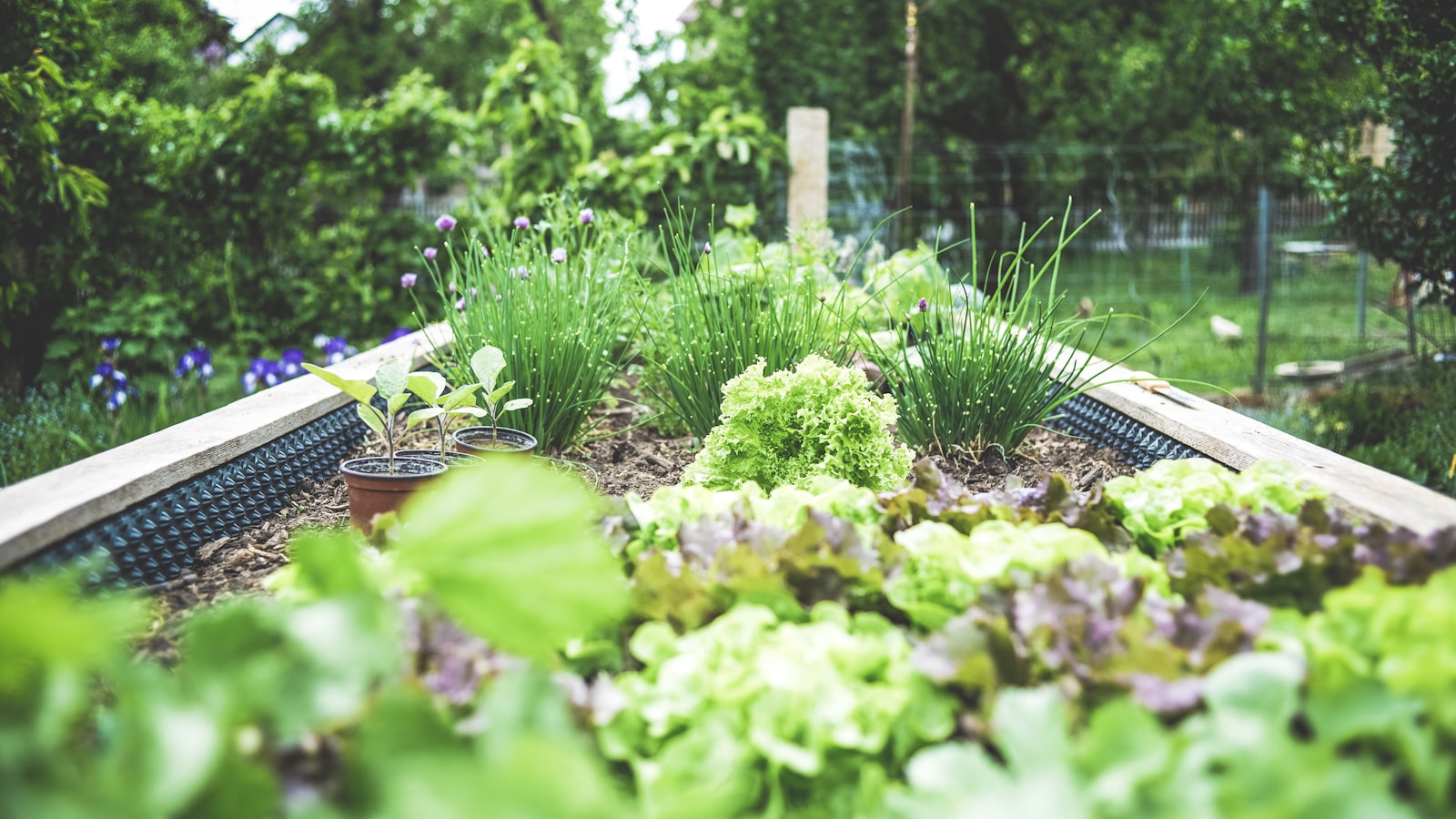
Spring is when the garden wakes up and, honestly, when there's the most to do. Everything is starting to grow, and a little effort now sets up the whole year. It's an exciting time, though it's easy to try to do everything at once, so pace yourself.
The jobs that earn their place in spring:
- Clear away winter debris and pull the early flush of weeds while they're small
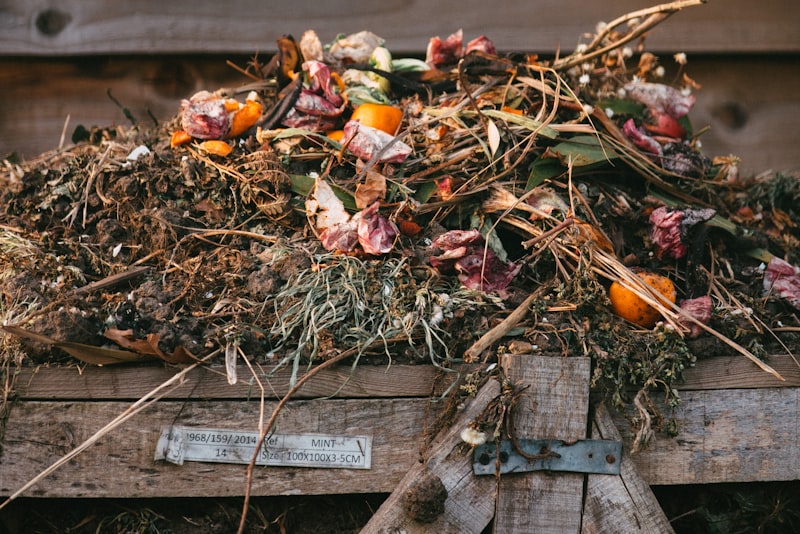
- Improve your beds with a layer of compost before the growing season kicks off
- Sow seeds, starting tender ones indoors and hardier ones outside once the soil warms
- Prune the shrubs that flower in summer, before they put on their main growth
This is prime sowing season, and starting plants off inside gives them a valuable head start where the weather is still unreliable. If you've never done it, how to start seeds indoors walks through the whole process. Do the groundwork now and summer becomes much more about enjoying the garden than scrambling to catch up.
Summer: keeping things going#
Summer is the payoff, when the garden is full and productive, and the work shifts from starting things to keeping them going. The two jobs that matter most are watering and harvesting, and both reward a bit of consistency.
Watering is the big one, especially in hot, dry spells and for anything in pots, which dry out fast. Water deeply and in the cool of the morning rather than splashing a little on every day. Keep picking vegetables, fruit, and flowers as they're ready, because regular harvesting actually encourages many plants to produce more. Deadheading spent flowers has the same effect, nudging plants to keep blooming rather than setting seed.
Beyond that, summer is a season to stay on top of small things rather than take on big projects. Pull weeds before they seed, keep an eye out for pests while they're few, and top up mulch to lock in moisture. And crucially, make time to actually sit in the garden and enjoy it. That's the whole point, and it's a job too.
Autumn: winding down and preparing#
Autumn is a season of tidying and quiet preparation, and it's more important than beginners realise. What you do now shapes how well your garden comes through winter and how easily it wakes in spring. There's a satisfying, unhurried feel to the work.
Clear away spent summer crops and fallen leaves, though you don't need to be obsessive; some leaf litter and standing stems give shelter to helpful wildlife over winter. Autumn is a fine time to plant, too, as trees, shrubs, and spring-flowering bulbs settle in while the soil is still warm and the roots establish before the cold. Those fallen leaves are worth gathering rather than binning, since they rot down into wonderful compost and leaf mould; how to start composting at home shows how to turn autumn's abundance into next year's soil.
It's also the moment to protect anything tender before the first hard frost, moving pots undercover or wrapping vulnerable plants. A little preparation now saves you losses you'd otherwise mourn come spring.
Winter: rest and planning#
Winter is the garden's rest, and it should be yours too. Growth slows or stops, the beds go quiet, and the pressure lifts. There's genuinely little you must do, which is exactly why it's so valuable. Resist the urge to fuss over dormant plants, and in particular go easy on feeding, since plants can't use much while they're resting.
There are still a few worthwhile jobs when the weather allows. This is the traditional time to prune dormant deciduous trees and certain shrubs, when their bare structure is easy to read, and doing it thoughtfully sets them up well; how to prune plants without hurting them covers how to make those cuts kindly. Otherwise, keep bird feeders topped up, brush heavy snow off branches that might break, and clean and sharpen your tools so they're ready.
Winter is also the ideal time to look back before you look forward. If you can, jot down a few notes now while last season is fresh: what grew well, what struggled, which corner stayed too wet, which crop you wish you'd planted more of. A garden diary sounds fussy, but even a scribbled page or two is worth its weight the following spring, when the details have blurred and you're trying to remember whether the tomatoes really did better in the sunnier bed. Small observations, gathered year on year, quietly make you a better gardener than any single tip could.
Best of all, winter is for dreaming. Curl up with seed catalogues and last year's notes, plan what you'll grow, and let your ideas take shape while the garden sleeps. Gardening runs in a circle, not a straight line, and this quiet stretch is where next year quietly begins. Take the seasons one gentle step at a time, do the few things that matter in each, and forgive yourself the rest. The garden will keep turning whether or not you tick every box, and it's far happier to have a relaxed gardener than a frazzled one.