For a lot of new gardeners, pruning is the scariest job there is. Cutting into a plant you've nurtured feels wrong, like you might undo months of growth with one snip. I felt exactly the same when I started, hovering over a shrub with the shears, terrified of ruining it. But pruning isn't harming a plant. Done thoughtfully, it's one of the kindest things you can do for one.
The trick is to understand what you're doing and why, so each cut has a purpose. Once you see pruning as guiding a plant rather than attacking it, the nerves fade and it becomes a genuinely satisfying part of caring for a garden.
Why we prune at all#
Plants don't strictly need us to prune them; they grow perfectly well in the wild. But in a garden, a few well-placed cuts help a plant do what we want it to do, which is stay healthy, stay a sensible size, and produce plenty of flowers or fruit. Pruning steers a plant's energy where it counts.
There are really only a few reasons to pick up the shears. The first is health: removing dead, damaged, or diseased growth stops problems spreading and tidies up after winter. The second is shape and size, keeping a plant from outgrowing its spot or turning into a tangled thicket. The third is productivity, because cutting the right stems encourages more flowers and fruit rather than a mass of leafy growth.
Airflow matters too. Thinning out crowded, crossing branches lets light and air into the centre of a plant, and that alone prevents a lot of the damp, stagnant conditions that pests and fungal diseases love. It's the same logic behind spacing plants well, which I touch on in how to deal with common garden pests. A plant you can see through is a plant that stays healthier.
Time it for the plant#
This is the part people most want a simple rule for, and the honest answer is that it depends on the plant. Cutting at the wrong moment won't usually kill anything, but it can cost you a whole season of flowers, so it's worth a two-minute check before you start.
A few reliable guidelines cover most situations:
- Spring-flowering shrubs (like lilac and forsythia): prune straight after they finish flowering, since they bloom on last year's growth
- Summer-flowering shrubs: prune in late winter or early spring, because they flower on new growth made that year
- Dead, damaged, or diseased wood: remove it any time you spot it, no matter the season
- Fruiting plants and hedges: follow the guidance for that specific type, as they each have their own rhythm
If you cut a spring-flowering shrub in winter, you'll snip off the very buds that were about to bloom and wonder why nothing appeared. When you're unsure, look up the specific plant, or simply wait and prune right after it flowers, which is safe for a great many shrubs.
How you cut matters as much as when. A clean cut heals quickly and seals the plant off from disease; a ragged, crushed one leaves a wound that struggles to close and invites rot. The single biggest thing you can do here is keep your tools sharp and clean.
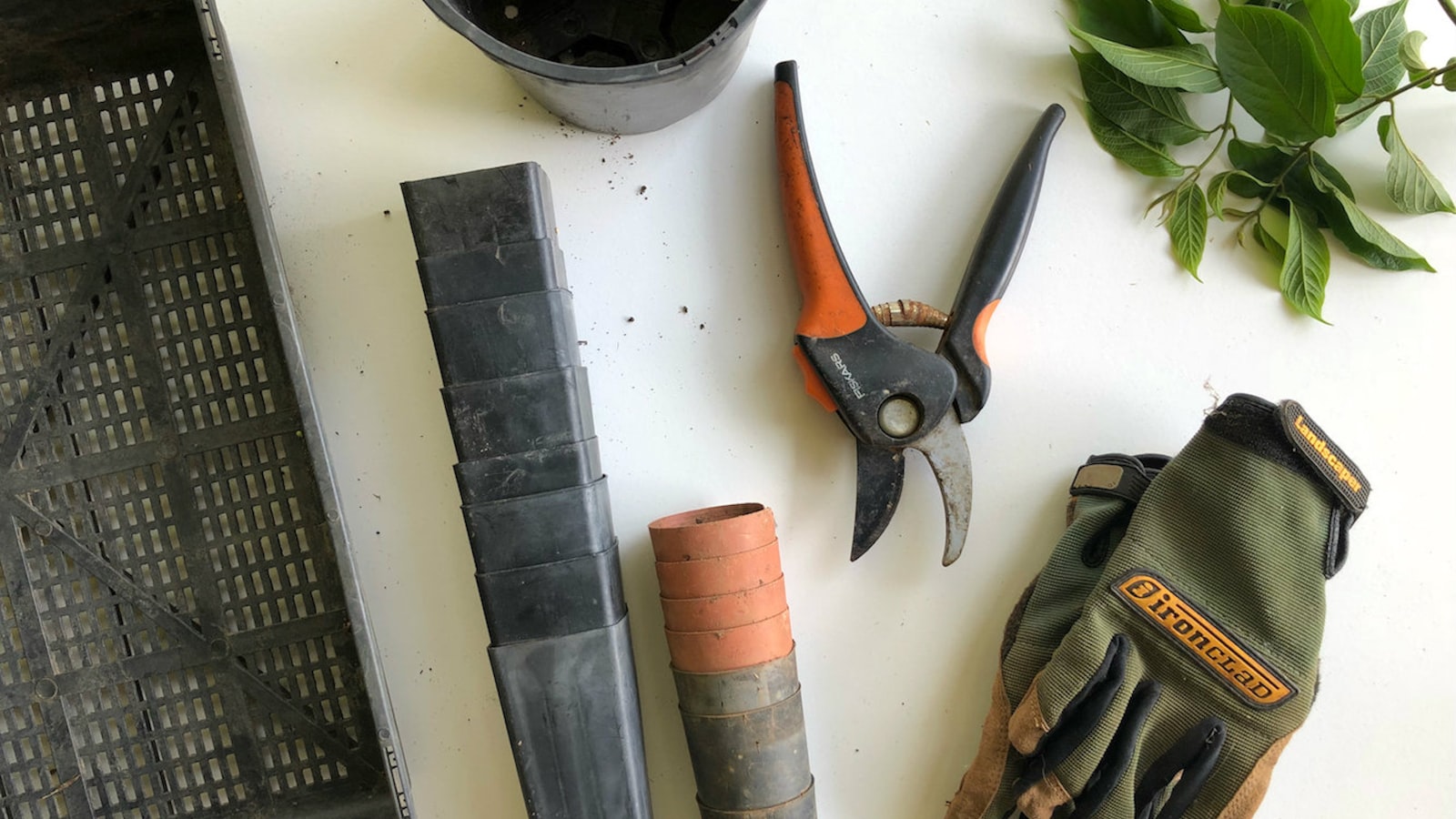
Sharp secateurs (hand pruners) handle most stems, loppers deal with thicker branches, and a pruning saw takes on anything bigger. Wipe the blades between plants, especially if you've just cut something diseased, so you're not carrying trouble from one plant to the next. A quick clean is dull work that saves real heartache.
For the cut itself, go just above a bud or a side shoot that faces the direction you want new growth to take, usually outward, away from the plant's centre. Angle the cut slightly so water runs off rather than pooling on the wound. Don't leave a long stub above the bud, since it just dies back, but don't cut so close that you damage the bud either. A little practice and your eye learns the right spot.
The best pruning looks like nothing happened. You're not carving the plant into a shape; you're quietly removing what it doesn't need so the rest can flourish.
Do less than you think#
If there's one mistake I see again and again, it's over-pruning: getting carried away and hacking a plant back far harder than it needed. Enthusiasm is lovely, but a plant can only cope with losing so much at once before it's stressed, and a badly over-cut plant responds by throwing out a mass of weak, whippy shoots that need even more sorting out later.
A steady rule keeps you safe. As a general guide, avoid removing much more than a third of a plant in a single session, and step back often to look at the whole thing rather than getting lost snipping one small area. You can always take a little more next week or next year, but there's no undo button once a branch is on the ground. Restraint is a skill worth building early.
The same caution applies to plants grown for a crop. Tomatoes, for instance, benefit from removing the small side shoots so the plant puts its energy into fruit, but even there the aim is light, regular guidance rather than a heavy chop. I go into that specific technique in how to grow tomatoes at home.
Grow your confidence#
Pruning rewards practice more than theory. Start with the safe, obvious cuts that no one could argue with: the clearly dead stems, the branch rubbing against another, the shoot growing straight back into the middle of the plant. Those cuts are almost always right, and making them teaches your hands and eye how a plant responds. Confidence builds cut by cut.
It also helps to picture the plant a year ahead rather than just today. Every cut you make redirects growth, so before you snip, glance at the bud you're cutting above and imagine the new shoot it will send out. Is it heading somewhere useful, into open space and light, or straight back into a crowded middle? That small habit of looking forward turns pruning from guesswork into something deliberate, and it's the difference between a plant that grows into a pleasing shape and one that turns into a tangle.
Remember that plants are far tougher and more forgiving than they look. Most bounce back cheerfully from a clumsy first attempt, and even a mistake usually grows out within a season or two. So take a breath, make your cut with purpose, and trust that you're helping. Before long the shears will feel less like a threat and more like one of your most useful tools, and your plants will be healthier, tidier, and more generous for the care.