Most gardening problems trace back to the same quiet source: the soil. Plants that sulk, wilt in a light dry spell, or never quite take off are often sitting in ground that can't hold enough water, air, or food to support them. Fix the soil and a surprising number of those problems solve themselves.
The good news is that soil is not fixed for life. It responds, season after season, to what you put into it. You don't need to be an expert or spend much money. You just need to understand what you're working with and build a small, steady habit of feeding it.
What good soil actually is#
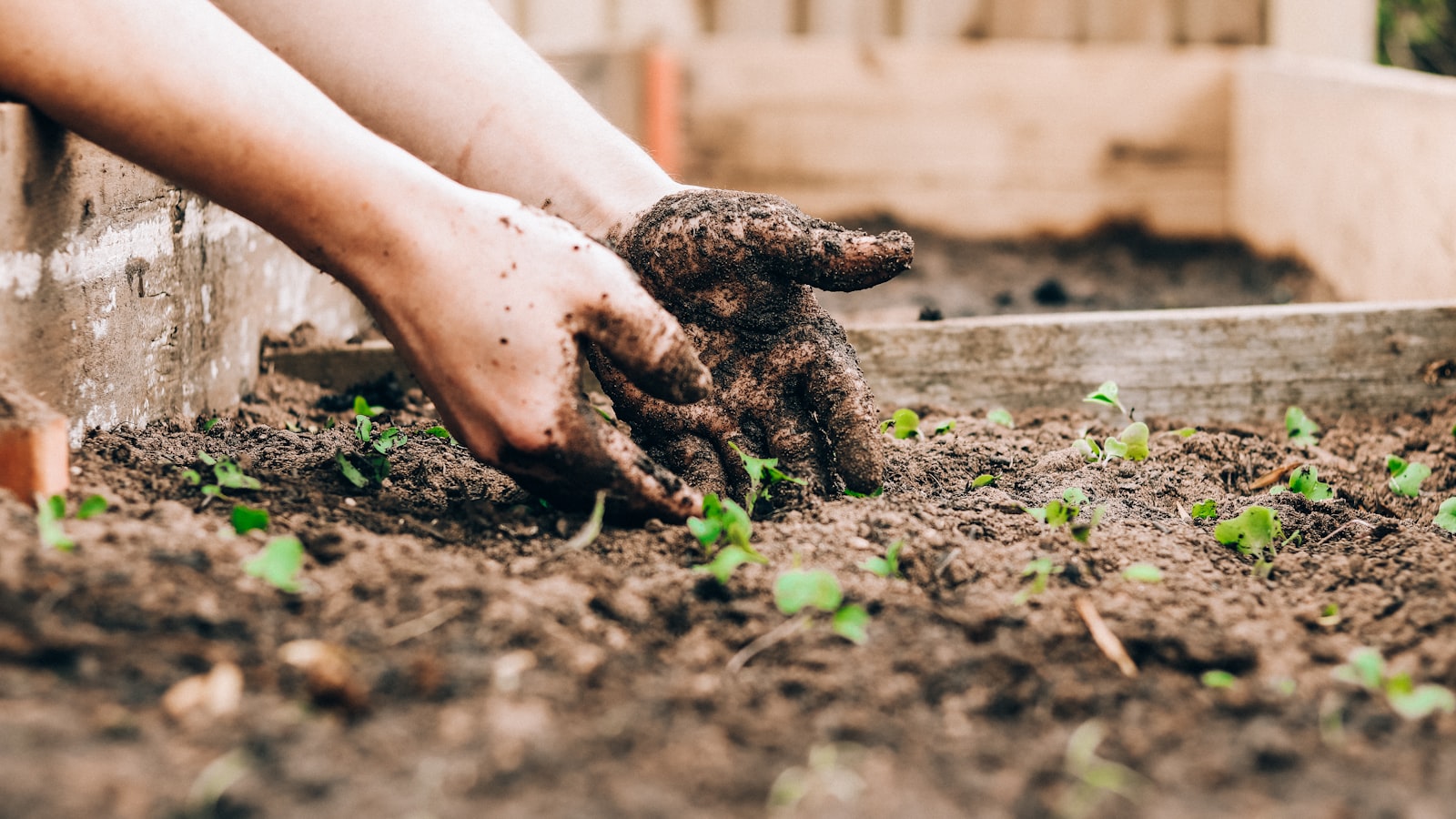
Healthy soil is alive. Underneath the surface there's a whole population of worms, fungi, and microbes doing the work of breaking down old plant material into food that roots can use. When people talk about "good soil," what they really mean is soil that supports all that life: dark, crumbly, and easy to dig, with a texture that holds moisture without turning into a swamp.
Two things tend to go wrong. Sandy soil drains so fast that water and nutrients wash straight through before roots can catch them. Heavy clay does the opposite, holding water until it turns dense and airless, then baking into something like brick when it dries. Most gardens fall somewhere between the two, and both extremes are improved by the same fix.
That fix is organic matter. Compost, well-rotted manure, leaf mould, decomposed bark: material that was once alive and has broken down into something dark and soft. It loosens clay so air and water can move through, and it gives sandy soil the sponge it lacks. One material, two opposite problems, the same answer.
Add organic matter every year#
If you take away one habit from this article, make it this: add a layer of organic matter to your beds every year. Spread a few centimetres of compost or rotted manure over the surface in spring or autumn, and either dig it in lightly or let the worms pull it down for you. In an established bed, you barely need to lift a spade. The soil life does the mixing.
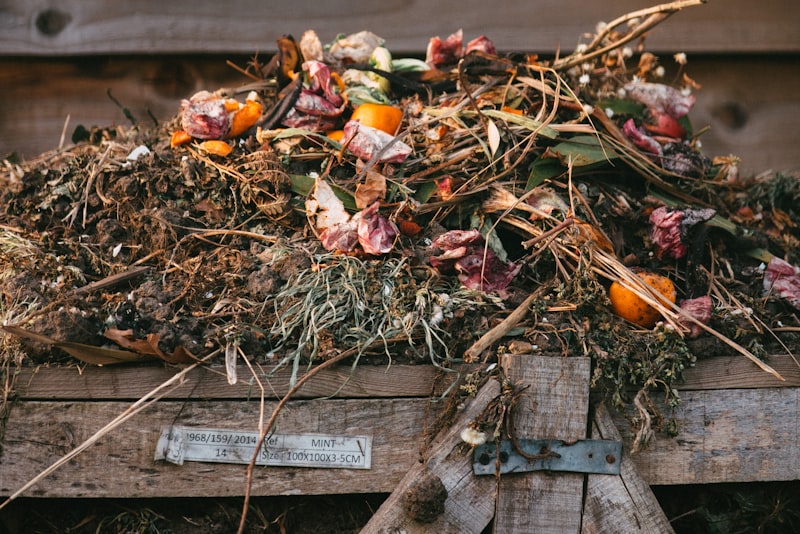
Where does all that compost come from? The cheapest source is your own kitchen and garden. Starting a heap is easier than most people assume, and I've walked through the whole process in how to start composting at home. Until your own supply is ready, bagged compost or a load of well-rotted manure from a local farm does the job.
Feed the soil, not the plant. Chase a quick fix with a bottle of feed and you're treating a symptom. Build the soil with organic matter and you're growing plants that need far less rescuing in the first place.
Be patient with this one. A single application makes a small difference; five years of applications makes a garden that's genuinely easier to grow in. You're not repairing the soil so much as slowly raising it to a better standard and keeping it there.
Test before you guess#
Before you buy a single bag of anything, it's worth finding out what your soil is actually short of. A basic soil test kit costs very little and tells you two useful things: your pH, which is how acidic or alkaline the soil is, and a rough read on the main nutrients. Most vegetables and flowers are happy in soil that sits close to neutral, and a test will tell you if yours drifts too far one way.
pH matters more than beginners expect. Even when the nutrients are present, soil that's too acidic or too alkaline can lock them away where roots can't reach them. If your test comes back very acidic, garden lime nudges it back over time; if it's too alkaline, adding organic matter and sulphur helps. Small, gradual corrections work better than dumping in a large amount at once.
A quick home check tells you about texture too. Grab a handful of moist soil and squeeze:
- If it holds together in a sticky, shiny ball, you're leaning toward clay
- If it falls apart the moment you open your hand, it's on the sandy side
- If it forms a loose ball that crumbles when you poke it, you have the balanced loam most plants love
You don't need laboratory precision. You just need enough of a picture to stop guessing, so the effort and money you spend actually go where the soil needs them.
Mulch and let the surface work#
Mulch is a layer of material spread across the soil surface and left there. It's one of the laziest, most effective things you can do, because it works while you're not looking. A good mulch keeps moisture in during dry spells, smothers many weeds before they start, and shields the surface from heavy rain and harsh sun that would otherwise wreck the structure you're trying to build.
Organic mulches are the ones that improve soil, because they slowly rot down and become part of it. Compost, bark chips, straw, and shredded leaves all work well. Spread a decent layer around your plants, keeping it back a little from stems so they don't sit damp and rot. Over a season it thins out as the worms drag it under, which is exactly what you want. When it's gone, top it up.
Because mulch feeds the soil so gently, it pairs naturally with a light feeding routine rather than replacing it. If you want to understand how targeted feeding fits alongside all this soil-building, how to feed your plants with fertilizer covers when a boost genuinely helps and when it doesn't.
Keep off it when it's wet#
One last habit costs nothing and saves a lot of grief: stay off your soil when it's soaking wet. Walking on or digging waterlogged ground crushes the air pockets that roots and soil life depend on, and it compacts clay into a hard, lifeless mass that takes ages to recover. Wait until the surface has dried enough that it doesn't cling to your boots, then get to work. If you find yourself constantly wanting to reach across a bed, lay a plank or a stepping stone so your weight is spread rather than driven into one spot.
Improving soil isn't a weekend project with a finish line. It's a slow, forgiving process that rewards small, regular effort: a topping of compost each year, a mulch that you refresh, a test now and then so you're working with facts rather than hunches. Do that and the ground quietly gets better underneath you, until one spring you push in a spade and realise the hard, tired earth you started with has become the kind of dark, crumbly soil that grows almost anything. That's the whole game, and it's well within reach.