Growing your own vegetables sounds like a big commitment, but the first season asks less of you than you'd think. A patch of ground, some steady sunlight, and a handful of seeds are enough to put real food on the table. The skill builds over time. The start is mostly about choosing well and resisting the urge to do everything at once.
I've watched plenty of first gardens stall, and it's rarely bad luck. It's usually too much, too soon. This guide walks through the four decisions that carry the most weight in year one: where to put the garden, how much sun it gets, what shape your soil is in, and why a modest plot will teach you more than an ambitious one.
Choose where the garden goes#
Before you buy a single seed, spend a few days simply looking at your outdoor space. The best vegetable spot is close to the house, easy to reach with a watering can, and somewhere you'll pass often. A bed you walk by every morning gets tended. A bed hidden behind the shed gets forgotten, and forgotten beds turn into weed nurseries by midsummer.
Look for level ground, or something close to it. A gentle slope is fine, but a steep one lets water run off before roots can drink, and it makes every job harder than it needs to be. Avoid low corners where puddles sit for hours after rain, since few vegetables tolerate wet feet for long.
Think about shelter too. A spot that catches a little protection from a fence or hedge will grow steadier plants than one exposed to hard wind on every side. You don't need a walled kitchen garden. You just want somewhere your seedlings aren't fighting the weather from the day they go in.
Read the sunlight honestly#
Sunlight is the one thing you can't fake, so it's worth measuring rather than guessing. Most fruiting vegetables — tomatoes, peppers, beans, courgettes — want six or more hours of direct sun a day to crop well. Leafy crops and roots are more forgiving and will manage in less, but almost nothing thrives in deep shade.
Track the light across a full day. Note where the sun lands in the morning, at midday, and in the late afternoon, and remember that shadows shift through the season as the sun climbs higher in summer. A corner that looks shady in early spring may open right up by June.
Watch the light for a week before you commit. An hour spent noticing where the sun actually falls will save you a whole season of wondering why nothing is ripening.
If your sunniest ground is limited, match your crops to it rather than forcing the issue. Give the fruiting vegetables the brightest spot and tuck lettuce, spinach, and herbs into the patches that get gentler, partial light. Working with the sun you have beats fighting for sun you don't.
Get the soil in shape#
Here's the part new gardeners skip and experienced ones obsess over: the soil is where your harvest is really decided. Healthy soil feeds your plants, holds the right amount of water, and lets roots breathe. Poor soil undoes even the best seeds. Feed the soil and the plants mostly look after themselves.
Start by getting to know what you have. Grab a handful when it's slightly damp and squeeze. Sticky and slick that holds its shape is clay-heavy; gritty and crumbly that falls apart is sandy; a soft, springy handful that breaks gently is the loam you're hoping for. Most gardens sit somewhere in between, and nearly all of them improve with the same treatment.
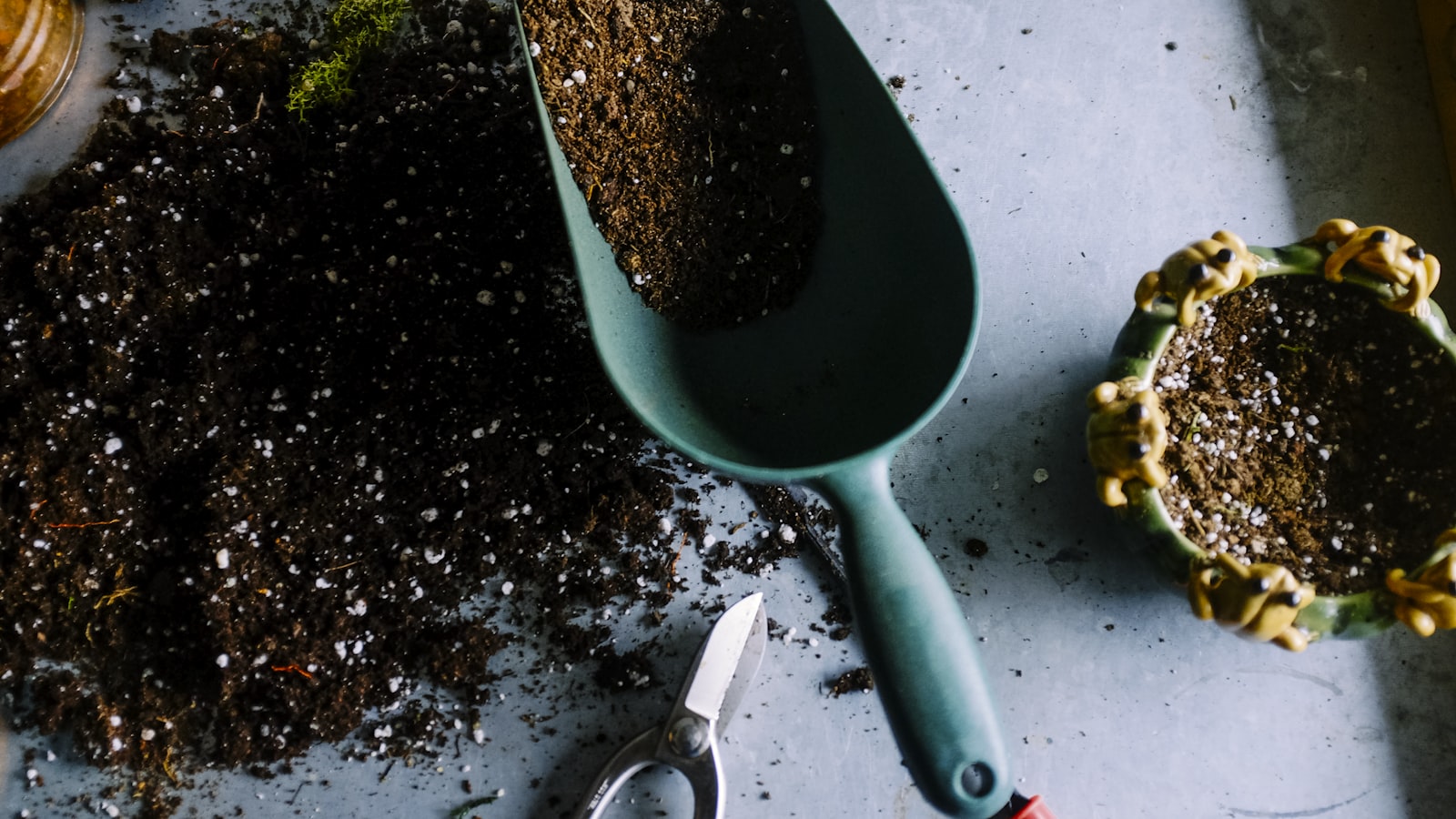
The fix is organic matter. Spread a generous layer of well-rotted compost or aged manure over your bed and let the worms work it in, or fork it lightly through the top few inches. This single habit loosens heavy clay, helps sandy soil hold moisture, and slowly builds the living, fertile ground that vegetables love. If you want to go deeper on this, improving your garden soil is the best long-term investment you can make.
A few things are worth doing before you plant:
- Clear out perennial weeds, roots and all, so they don't return
- Mix in a layer of compost across the whole bed
- Rake the surface level and break up any large clods
- Leave the bed a week or two to settle if you have the time
Start small and grow what you'll eat#
The single most useful piece of advice I can give a first-year gardener is to plant less than you want to. A small bed you can weed and water in a few minutes will outproduce a huge plot that overwhelms you by July. Ambition is cheap in spring and expensive in August, when everything needs attention at once and the weeds have their own ideas.
A patch a few strides long and an arm's reach wide is plenty to learn on. You can always expand next year, and you will, because success is far more encouraging than a sprawling bed gone to seed. Keep it within reach from at least one side so you're never treading on the soil and squashing it flat.
Choose crops your household actually enjoys eating. It's tempting to grow something unusual for the story of it, but a row of vegetables nobody wants is just work with no reward. A few forgiving, well-loved crops will keep you motivated and keep the kitchen busy — if you're not sure where to begin, these easy vegetables to grow for beginners are a reliable starting list.
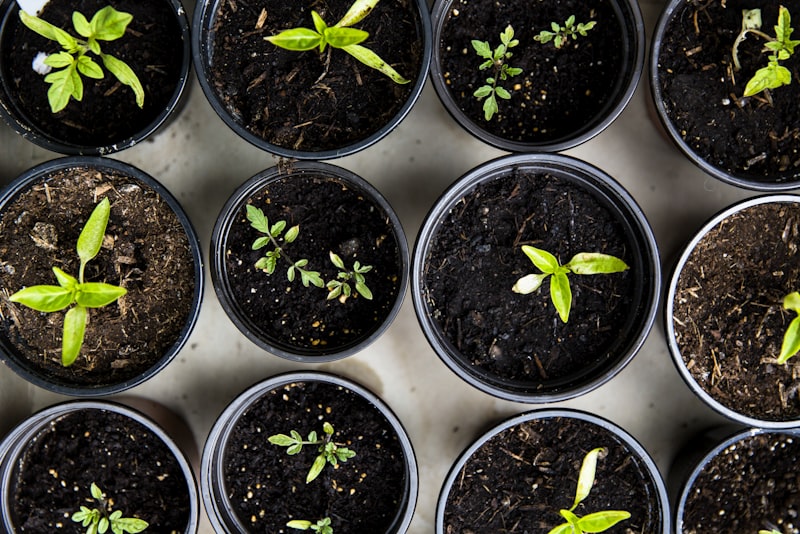
Give each plant the room it needs, too. Crowded seedlings compete for light, water, and food, and they all end up smaller for it. Thin them out without guilt when the seed packet says so. It feels wasteful to pull up perfectly good sprouts, but the ones you leave will thank you with a proper harvest.
Keep the first season simple#
Once your bed is planted, the rhythm of a vegetable garden is calmer than people expect. Water when the soil is dry an inch down, rather than on a fixed schedule, and aim for a good soak that reaches the roots instead of a daily splash on the surface. Pull weeds while they're small and the job stays quick. Walk through every day or two, even just to look, because catching a problem early is half of solving it.
Don't chase perfection in year one. Some things will bolt in a hot spell, a few seedlings won't come up, and a pest will find something to nibble. That's not failure — it's the ordinary texture of gardening, and every season teaches you something the last one didn't. Keep notes if you like, even rough ones, so next spring you remember what did well and where the sun really fell.
The first vegetable garden isn't about a record harvest. It's about learning your patch of ground, watching seeds become food, and building the small daily habit that makes everything after it easier. Pick a sunny, reachable spot, feed the soil, plant a little of what you love, and let the season show you the rest. You'll be surprised how quickly it starts to feel like second nature.