A small plot can grow a genuinely useful amount of food, but only if you plan it before you plant it. Space that isn't thought through fills up fast, and by midsummer you're left with crowded rows, plants competing for light, and gaps where something finished weeks ago and nothing followed. A little planning turns the same patch into a plot that works hard all season.
The good news is that planning a small vegetable plot doesn't require graph paper and hours of study, though a rough sketch never hurts. It's mostly about four habits: laying the plot out sensibly, spacing your crops honestly, keeping the beds full as things come and go, and moving crops around from year to year. Get these right and a modest plot punches well above its size.
Lay the plot out to work with you#
Start with how you'll actually move around the plot, because a bed you can't reach into is a bed you won't tend well. Narrow beds you can reach across from the paths are far easier to work than a wide block you have to tread on, and standing on soil compacts it and squeezes the air out that roots need. Keep beds to a width you can reach the middle of from either side.
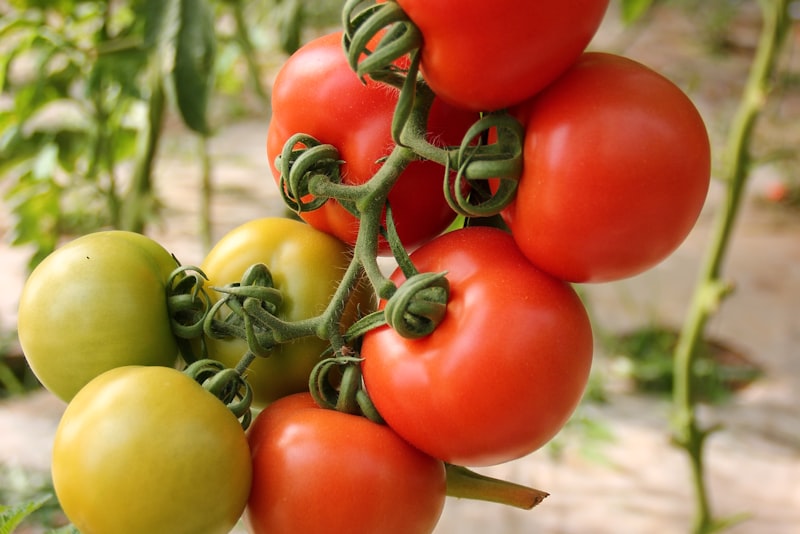
Think about where each crop goes, not just how many you can fit. Put the tall growers — climbing beans, cordon tomatoes, sweetcorn — on the north side or the back, so they don't cast shade over shorter crops as the sun tracks across. Tuck the plants you harvest constantly, like salad leaves and herbs, near the path or the kitchen door where you'll pick them without a second thought.
Leave yourself proper access, too. It feels like a waste of space to give up ground to paths, but a plot you can walk around, kneel beside, and reach into is a plot you'll keep on top of. If you're setting up beds from scratch, our guide to starting a vegetable garden covers choosing the site and getting the ground ready first.
Space your crops honestly#
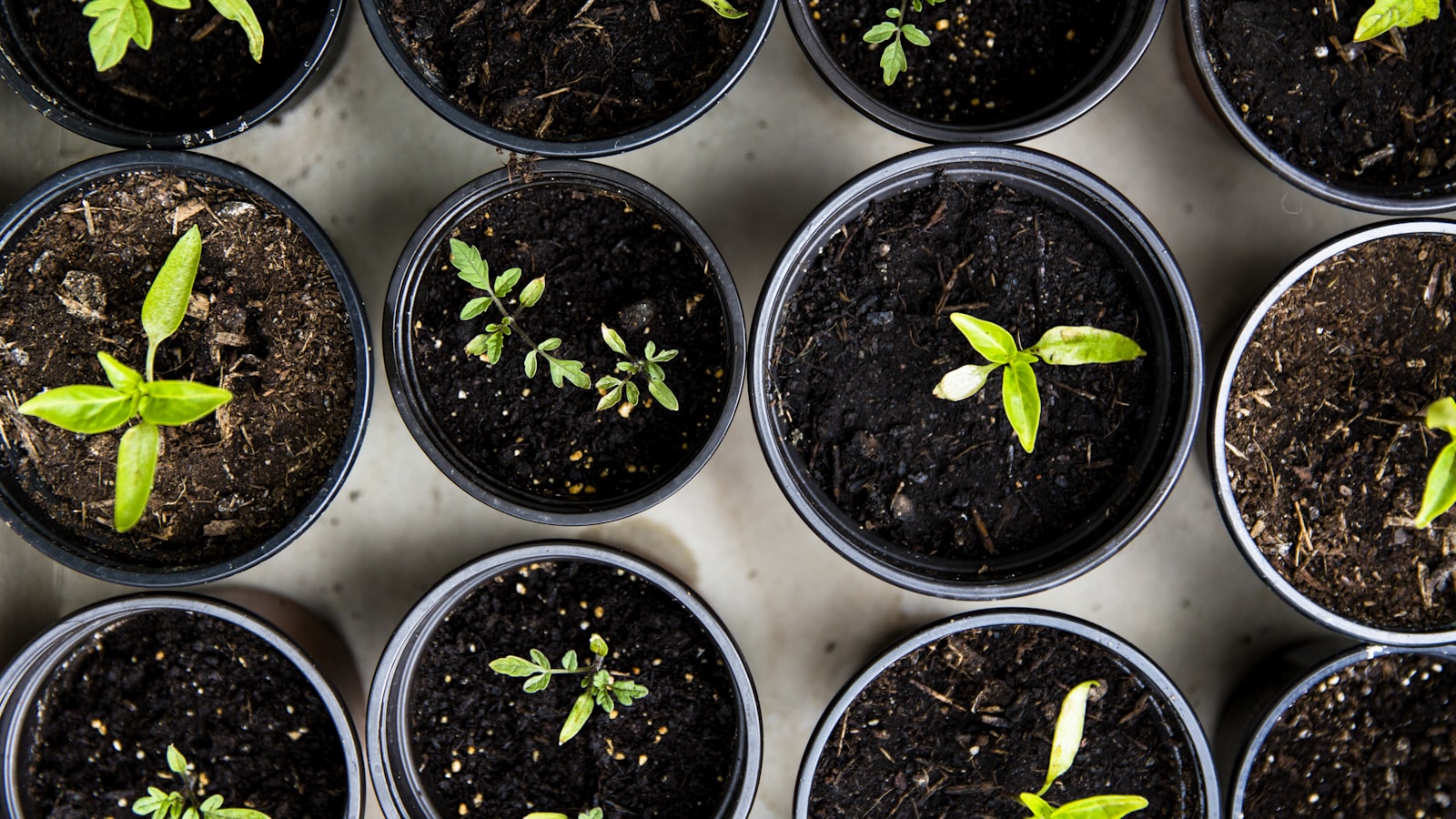
The hardest discipline in a small plot is giving plants enough room, because a tray of tiny seedlings looks lost in a bed and the temptation to cram more in is strong. But those seedlings grow, and crowded plants compete for light, water, and food until every one of them ends up smaller than it should be. The spacing on the seed packet isn't a suggestion — it's the room each plant needs to reach a decent size.
Resist the urge to squeeze in extra rows. A well-spaced bed of fewer plants will out-yield a jammed one, because each plant can actually fill out, and good airflow between them also keeps disease down. Thinning direct-sown crops feels brutal, pulling up healthy little seedlings, but the ones you leave will reward you far more than a congested row ever could.
When in doubt, plant fewer and give them room. A small plot of healthy, well-fed plants beats a crowded one every time.
You can be clever about the space you do have. Quick crops like radishes and salad leaves can share ground between slower ones, maturing and clearing out before the bigger plants need the room. This kind of interplanting keeps every inch working without crowding anything that matters, which is exactly what a small plot needs.
Keep the beds full with succession sowing#
An empty patch of soil is wasted potential, and in a small plot you can't afford much of it. Succession sowing is the habit that keeps beds productive from spring right through autumn, and it works in two simple ways. The first is sowing little and often: instead of a whole packet of lettuce at once, sow a short row every couple of weeks, so you get a steady supply rather than a glut followed by nothing.
The second is having something ready to follow each crop as it finishes. When the early peas are done or the first radishes pulled, that ground shouldn't sit bare — a fresh sowing or a waiting seedling can take its place and keep the bed earning. A few crops worth lining up as followers:
- Salad leaves and rocket, sown in short rows every two or three weeks
- Radishes, quick to mature and easy to slot into gaps
- Bush beans or beetroot to follow early spring crops
- Leafy greens sown in late summer for autumn picking
This does take a little forethought — you want the next crop coming along before the last one clears — but the payoff is a plot that never stops producing. Keeping a simple record of what you sowed and when makes the following season far easier to plan.
Rotate crops from year to year#
The last piece of planning looks beyond a single season. Crop rotation simply means not growing the same type of vegetable in the same spot year after year, and it's one of the oldest and most useful habits in vegetable growing. Even in a small plot, shifting crops around brings real benefits.
There are two reasons it works. First, different crops draw different nutrients from the soil, so moving them prevents any one patch from being drained of the same things season after season. Second, many pests and diseases build up in the soil where their favourite crop grew, and rotating that crop away leaves them without a host to feed on. Growing the same thing in the same place invites both problems to compound.
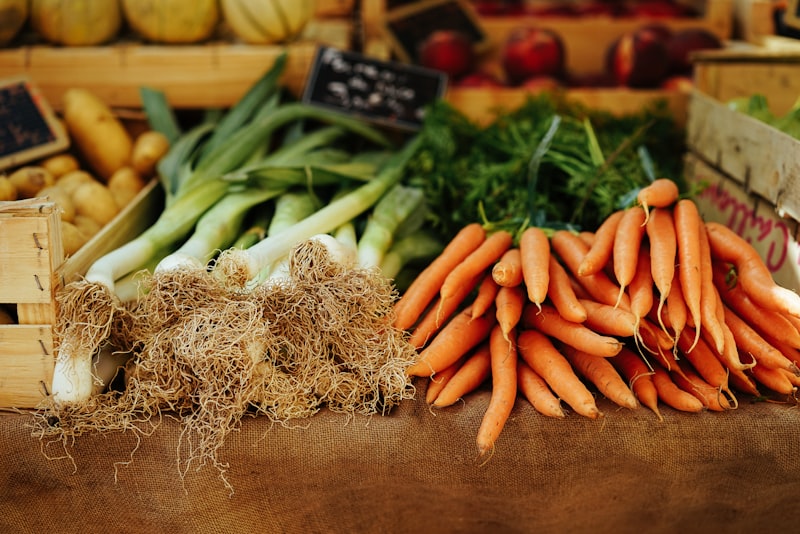
You don't need a complicated system. Group your crops loosely by type — the leafy ones, the roots, the legumes like peas and beans, and the hungry fruiting crops — and rotate each group to a different bed the following year, keeping a note of what went where. Feeding the ground well between crops matters just as much, so it's worth pairing rotation with a habit of improving your garden soil each season with compost.
Making the most of a small plot#
Planning turns a small vegetable plot from a scramble into a system. Lay it out so you can reach and tend every bed, give your plants the room they genuinely need, keep the ground working with succession sowing, and move your crops around from year to year. None of it is complicated, and all of it compounds into more food from the same patch of ground.
Start with a rough plan and expect to adjust it as you go, because every plot teaches you something the first season didn't. Note what thrived, what got crowded, and where the sun really fell, and next year's plan almost writes itself. A small plot, planned with a little care, will surprise you with just how much it can give.