A windowsill herb garden is one of the small joys of indoor growing. There's something lovely about reaching past the sink to snip fresh mint for tea or basil for dinner, and it costs almost nothing to set up. You don't need a garden, a greenhouse, or any real experience — just a bright window and a little attention.
Herbs are among the friendliest plants to grow indoors because most of them are tough, quick, and eager to be picked. The main thing standing between you and a row of thriving pots is understanding what a windowsill can and can't offer. Get the light and watering right, choose herbs that suit indoor life, and you'll have fresh flavour within arm's reach all year.
Find the brightest window you have#
Light is the single biggest factor in whether your herbs flourish or fade, so start by finding your sunniest windowsill. Most herbs want several hours of direct light a day, and a south-facing window that catches sun for a good stretch is the ideal home. East or west windows can work for the more shade-tolerant herbs, while a north-facing sill is usually too dim for anything to really thrive.
Watch how the light falls before you commit your pots. A windowsill that looks bright in the morning may sit in shadow by afternoon, and the sun's angle shifts with the seasons, dropping lower and weaker through the darker months. If your herbs start stretching tall and pale, with long gaps between leaves, they're reaching for light they aren't getting — the same principle applies to any indoor plant, and our guide to finding the right light for indoor plants goes deeper on reading these signals.
Turn your pots every few days so they grow evenly rather than leaning hard toward the glass. In the shorter days of winter, even a bright sill may not be enough, and it's worth accepting that some herbs simply slow down or rest until spring returns. Working with the light you have beats fighting it.
If your herbs are leggy and pale, it's almost always a light problem, not a water or feed one. Move them somewhere brighter before you change anything else.
Choose herbs that thrive indoors#
Not every herb is suited to a windowsill, so choosing well from the start saves a lot of frustration. Some are naturally compact, forgiving, and happy in a pot, while others resent confinement or crave more sun than a window can give. For your first attempt, lean toward the reliable ones.
These are the herbs I'd hand any beginner:
- Mint: vigorous and almost impossible to kill, best kept in its own pot as it spreads
- Chives: neat, hardy, and quick to regrow after cutting
- Parsley: steady and productive, happy with a bit less sun than most
- Basil: loves warmth and bright light, perfect for a hot summer windowsill
- Thyme: compact and drought-tolerant, forgiving of the odd missed watering
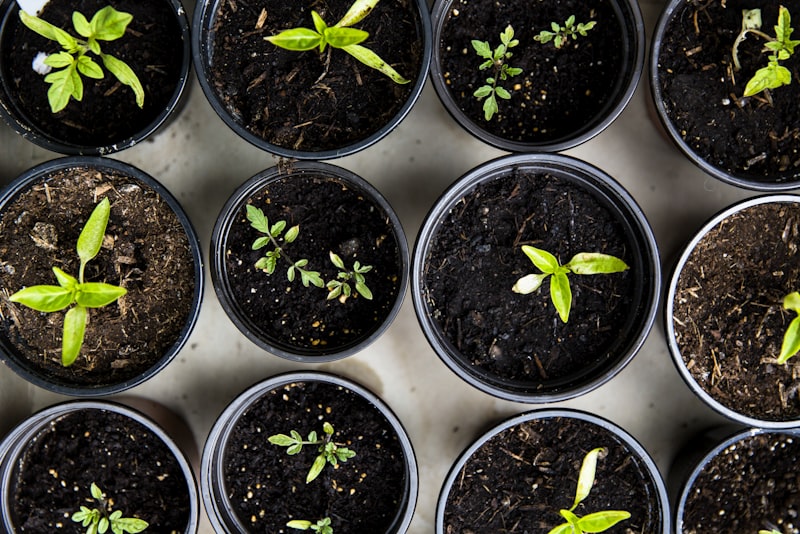
Buy them as young plants or sow from seed, whichever suits you. A supermarket pot of basil or parsley can be split into smaller clumps and repotted with a little more room, which often revives a plant that was crammed and struggling. Give each herb its own pot where you can, so their different watering needs don't compete in the same soil.
Match the herb to your conditions, too. Basil wants heat and sun and sulks in a cool, dim spot, while mint and parsley shrug off less-than-perfect light. Starting with the herbs that suit your particular window is far more encouraging than nursing one that was never going to be happy there.
Water with a lighter hand than you think#
Overwatering is the most common way windowsill herbs meet their end, so it helps to resist the instinct to water on a fixed schedule. Herbs in pots generally prefer the soil to dry out a little between drinks rather than sitting constantly damp, and soggy roots are far more dangerous indoors than a bit of dryness.
Check before you pour. Push a finger into the compost up to the first knuckle: if it feels dry, it's time to water; if it's still moist, leave it another day. When you do water, give enough that it runs from the drainage holes, then let the pot drain fully so it isn't standing in a saucer of water. Roots left sitting in that puddle rot quietly out of sight.
Different herbs have slightly different tastes. Basil and mint like to stay a touch moister, while thyme and other Mediterranean herbs prefer things on the drier side, which is another reason to keep them in separate pots. Pay attention to how each one responds and you'll quickly learn its rhythm — the general habits carry over to any potted crop, and the container growing guide covers watering pots in more detail.
Harvest often to keep them growing#
Here's the happy secret of windowsill herbs: picking them is good for them. Regular harvesting encourages most herbs to branch out and grow bushier, so the more you use them, the more they give. A herb left untouched tends to grow tall, thin, and eventually straggly, while one that's snipped often stays compact and productive.
Pinch or cut from the top of the stems rather than stripping leaves from the bottom, and for leafy herbs like basil, taking the growing tips makes the plant send out two new shoots where there was one. Never take more than a third of the plant at once, though, so it keeps enough leaf to fuel its recovery. Little and often is the rhythm to aim for.
Watch for flower buds on herbs like basil and mint, and pinch them out as they appear. Once a herb flowers, it shifts its energy toward setting seed, the leaves can turn bitter, and growth slows. Nipping off those buds keeps the plant focused on producing the tender leaves you actually want.
Keeping the kitchen supplied#
A windowsill herb garden asks very little once it's settled: a bright spot, water when the soil dries, a light feed now and then through the growing season, and regular picking. Keep the pots turned, keep the flowers pinched, and keep using what you grow, and a handful of small plants will flavour your cooking for months.
Some herbs will slow right down in winter, and that's perfectly normal rather than a sign you've done something wrong. Ease off the watering when growth stalls, keep them in the brightest light you can offer, and they'll pick up again as the days lengthen. Growing herbs on a windowsill is a gentle, low-stakes way to grow your own food — start with a couple of forgiving pots, learn their habits, and enjoy having fresh flavour a snip away.