You don't need a garden to grow vegetables. A sunny patio, a balcony, or even a bright doorstep can produce more food than people expect, as long as you understand how a pot behaves differently from open ground. Containers put fresh crops within reach of anyone with a little outdoor space and a few hours of daylight.
The catch is that a pot is a small, closed world. Roots can't roam in search of water and food the way they do in a bed, so everything they need has to come from you. Once you grasp that, container growing becomes straightforward and genuinely rewarding. This guide covers the four things that decide whether your pots thrive: their size, the soil inside them, how you water, and how you feed.
Get the pot size right#
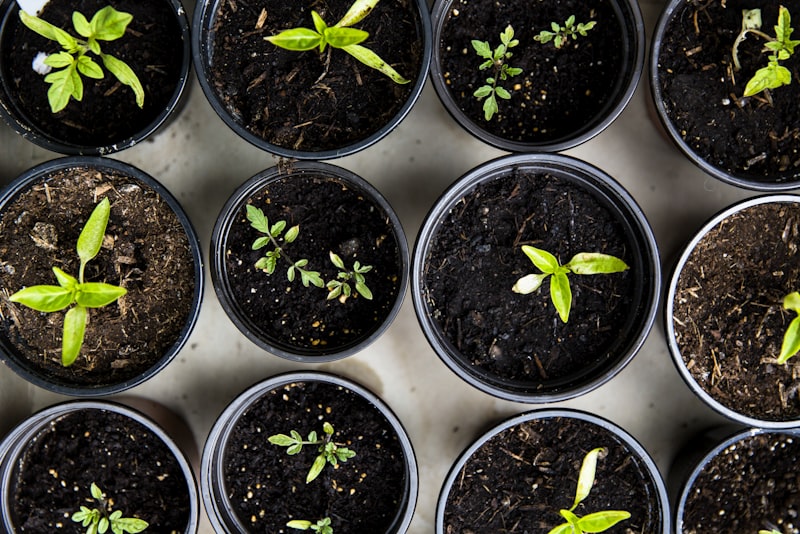
The most common mistake in container growing is choosing a pot that's too small, and it's an easy trap because small pots are cheaper and tidier. But a bigger container holds more soil, and more soil holds more water and nutrients, which means the plant is far more forgiving of a missed watering or a busy week. In containers, roomy pots make everything easier.
Match the pot to the crop. Salad leaves and herbs are happy in something shallow, while tomatoes, peppers, and courgettes want a deep, generous container to support their size and thirst. As a rough guide, a hungry fruiting plant like a tomato wants a bucket-sized pot all to itself, and roots such as carrots need depth to grow down into.
Whatever you choose, drainage is non-negotiable. Every container needs holes in the base so excess water can escape, because roots sitting in a waterlogged pot rot quickly and quietly. If a decorative pot has no holes, drill some or use it as an outer cover for a plainer pot that does. Standing pots on small feet or a couple of pebbles helps water drain freely.
Fill it with the right soil#
Reach for potting mix, not soil dug from the garden. This trips up a lot of beginners who assume dirt is dirt, but garden soil behaves badly in a container — it compacts into a dense block, drains poorly, and can bring weed seeds and pests along with it. A proper multipurpose potting compost is light, holds moisture without turning to sludge, and lets roots breathe.
Fill the container generously, leaving a small gap at the top so water doesn't sheet straight over the edge when you pour. Don't cram in stones or crocks at the bottom in the hope of improving drainage; the holes do that job, and a full depth of compost gives roots more room to work with.
A good potting mix is the foundation of everything else. Skimp here and no amount of careful watering or feeding will make up for it.
Fresh compost carries a little food to begin with, but not much and not for long, which is why feeding later becomes so important. Think of the potting mix as the home and the anchor for your plants, with the ongoing nutrition coming from you as the season goes on.
Water little, often, and with attention#
Watering is where container growing really differs from a garden bed, and it's where most pots are won or lost. A container has a limited reserve of moisture and a lot of surface area exposed to sun and wind, so it dries out much faster than open ground. In warm weather a pot can go from damp to bone dry in a single day.
Check before you pour rather than watering on autopilot. Push a finger an inch into the compost: if it's dry at your fingertip, it's time to water; if it's still damp, wait. When you do water, give a thorough soak until it runs from the drainage holes, so the whole root zone drinks rather than just the top layer. A splash on the surface tricks you into thinking the job's done while the roots stay thirsty.
Consistency matters more than volume. Vegetables that swing between drought and flood tend to split, bolt, or drop their flowers, so aim for steadily moist rather than alternately parched and drowned. The same careful approach applies whether your crops are in pots or the ground, and it's worth reading how to water a garden the right way for the full picture.
A few habits keep container watering under control:
- Check pots daily in warm weather, twice on the hottest days
- Water in the early morning or evening to lose less to evaporation
- Group pots together so they shade each other and dry more slowly
- Consider a saucer under thirsty plants to catch and hold a little reserve
Feed regularly through the season#
Because a pot holds so little soil, it runs out of food far sooner than a garden bed, and a container plant that suddenly stalls or yellows is usually just hungry. The starter nutrients in fresh compost are typically used up within weeks of active growth, and from that point on the plant depends on you to top up the supply.
Start feeding once your plants are growing strongly and the crop is developing. A liquid feed diluted in the watering can is the simplest method, applied every week or two through the main growing season. Fruiting crops like tomatoes benefit from a high-potassium feed once they start to flower, while leafy crops appreciate something more balanced. If you want to understand the different types and when to use them, our guide to feeding your plants with fertilizer breaks it down.
Follow the dilution on the bottle rather than guessing, since too strong a feed can scorch roots and do more harm than a missed one. Steady, moderate feeding beats an occasional heavy dose every time, mirroring the little-and-often rhythm that suits container watering.
Keeping your pots productive#
Container gardening rewards attention more than expertise. Once your pots are the right size, filled with good compost, and settled in a sunny spot, the daily routine is simple: check the water, feed on schedule, and pick your crops as they ripen. Regular harvesting keeps most vegetables producing, so the busier your kitchen, the busier your plants.
Keep an eye out as the season turns. A plant that has filled its pot with roots may need repotting or may simply be reaching the end of its run, and a spent crop can be swapped for a fresh sowing to keep the space earning. Small spaces stay productive when you treat each pot as a little rotation of its own.
There's real satisfaction in a doorstep that feeds you. With the right pot, the right soil, and a watering can within reach, a container garden turns even the smallest patch of sun into a working plot. Start with a couple of pots, learn how they behave in your spot, and add more once the rhythm feels natural.