Watering seems like the simplest part of keeping houseplants, which is exactly why it trips people up. It feels like something you should just know, so we water on instinct, on a schedule, or whenever we remember, and then wonder why the plant looks unhappy. Most watering trouble comes not from carelessness but from watering by habit rather than by need.
The plant's actual needs shift constantly. A pot dries out faster in summer, in bright light, in warm dry rooms, and slower in winter or shade. A rigid "once a week" routine ignores all of that. Watering well is really just learning to read what the soil and the plant are telling you, and then responding to that instead of the calendar.
Check before you water#
The single most useful watering habit is to check the soil before you reach for the watering can. Push a finger into the potting mix, up to about the first or second knuckle, and feel what's there. Damp, cool soil clinging to your skin means wait. Dry, crumbly soil means it's probably time.
This beats any schedule because it responds to real conditions. On a hot, bright week a plant might drink deeply every few days; through a dark, cool spell the same plant might go a fortnight or more. Your finger tells you which situation you're actually in, and it costs nothing.
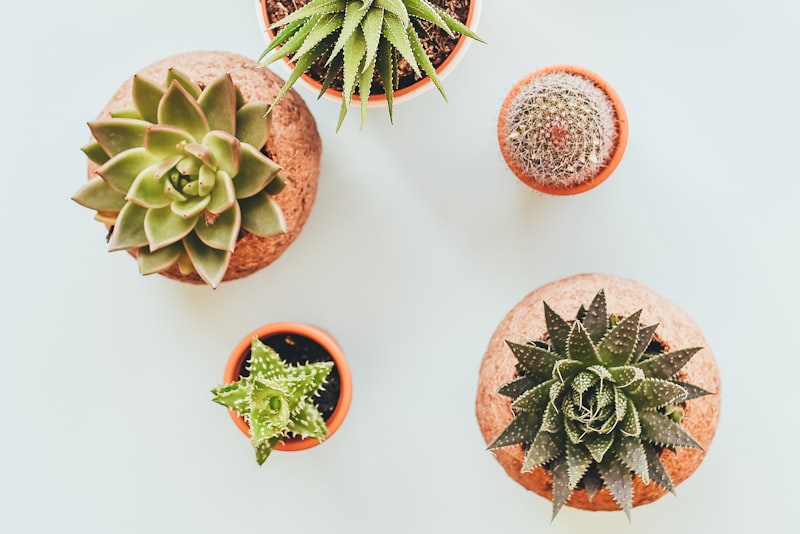
Different plants want different starting points, too. Most common houseplants like the top inch or two of soil to dry out between waterings. Succulents and cacti want to dry out much more thoroughly. A few moisture-lovers, like some ferns, prefer to stay lightly damp. Learn the rough preference of each plant you own, then let your finger fine-tune the timing.
Water thoroughly, then let it drain#
When it is time to water, don't just splash a little on top. A shallow drink wets only the surface and leaves the deeper roots dry, which slowly trains roots to stay shallow and weak. Instead, water generously until liquid runs out of the drainage hole at the bottom of the pot. That tells you the whole root ball got a proper soak.
Then let it drain completely. This second half matters as much as the first. Roots need air as well as water, and soil that stays waterlogged smothers them. After the pot has finished dripping, tip away anything that collects in the saucer or the outer pot so the plant isn't left standing in a puddle.
Water the soil, not the leaves. Wet foliage does little good and, on some plants, invites spots and rot. Aim the water at the base and let the roots do the drinking.
This deep-then-drain approach, done only when the soil has dried appropriately, is the rhythm most houseplants want. It's less frequent than beginners expect, but far more thorough. Getting this pattern right is one of the core habits behind keeping houseplants alive in the first place.
Drainage decides everything#
You can do everything else perfectly and still lose a plant to a pot that can't drain. Drainage is the quiet foundation under all good watering, and it's worth getting right before you fuss over timing.
A few things make drainage work in your favour:
- Use pots with a hole in the bottom so excess water can escape
- Choose a potting mix suited to the plant, loose and airy rather than dense
- Keep decorative pots without holes as outer covers, not as the plant's home
- Empty saucers and cover pots after watering so roots never sit in water
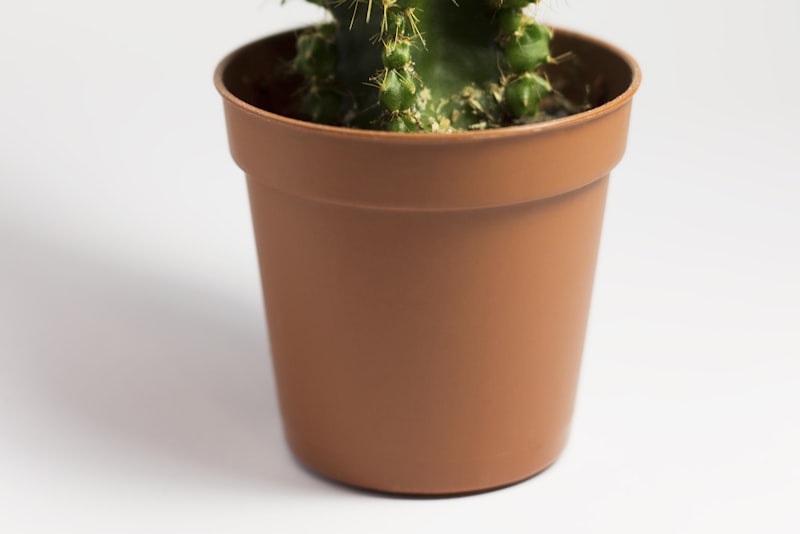
That decorative-pot trick is worth repeating, because those beautiful holeless ceramics cause so many quiet deaths. Keep the plant in a plain plastic nursery pot with drainage, and set that inside the pretty one. To water, lift the inner pot out, water it over a sink, let it drain, and drop it back. You get the look without drowning the roots.
Over-watering versus under-watering#
Here's the confusing part: a thirsty plant and a drowning plant can look almost the same. Both may droop, both may yellow, both may drop leaves. Reaching for the watering can when the problem is already too much water is a common and costly mistake, so it's worth learning to tell them apart before you act.
The soil is your best clue. If the plant is wilting and the soil is bone dry, it's thirsty, and a good soak should perk it up within a day. If it's drooping while the soil is still wet, back away from the watering can; the roots may be struggling in soggy conditions and more water will only deepen the problem. Under-watered soil tends to pull away from the sides of the pot and feel light; over-watered pots feel heavy and stay damp for a long time.
Under-watering is usually the easier fix. Give a parched plant a thorough drink, and often it recovers by the next day, perhaps dropping a leaf or two along the way. Over-watering is harder, because rotting roots can't be un-rotted. If you suspect it, stop watering, move the plant somewhere brighter and warmer to help the soil dry, and in bad cases check the roots and trim away any that are mushy and dark.
Yellowing leaves are one of the most common signals people misread, and watering is only one possible cause among several. If your plant's leaves are going yellow and you're not sure why, it's worth working through why plant leaves turn yellow rather than defaulting to more water.
Building a watering rhythm you'll keep#
Once you understand the principles, the goal is a routine that's easy to sustain without slipping back into autopilot. I like to pick a regular day to walk around and check every plant, feeling the soil of each one, and then water only the ones that actually need it. Some weeks that's most of them, some weeks it's two, and that variation is exactly the point.
Pay attention to the seasons as well. Through the brighter, warmer months plants grow actively and drink more; as light fades and growth slows, they need far less, and the same watering habit that kept them happy in summer can drown them in the depths of winter. Ease off as the days shorten and your plants will thank you.
Watering correctly comes down to a short list you can actually remember: check first, water thoroughly, let it drain, and never leave roots sitting in water. Do that, adjust for the plant and the season, and you'll spend far less time rescuing plants and far more time enjoying them.