Winter is when a lot of houseplants quietly struggle, and often the cause is us. We keep watering and fussing on the same schedule that worked in summer, not realising that shorter days and central heating have changed everything for the plant. The single biggest shift to make is doing less, not more.
Most houseplants slow right down in winter, growing little and resting. Their needs shrink accordingly, and care that kept them thriving in the bright months can overwhelm them now. Adjust a few habits for the season and your plants will coast through to spring in good shape, ready to grow again when the light returns.
Ease off the watering#
The most important winter change is to water far less often. With less light and cooler temperatures, plants use water slowly, so the soil stays damp much longer than it did in summer. Keep watering at your warm-weather pace and you'll drown roots that simply aren't drinking, which is why overwatering claims so many plants over winter.
Let the checking habit guide you, not the calendar. Push a finger into the soil and only water when it's dry at the depth that plant likes; in winter that might mean waiting a week or two longer between drinks than you're used to. When you do water, still water thoroughly and let it drain, then leave the plant alone until it's genuinely ready again.
As a rule for the darker months: when in doubt, don't water yet. Cold, wet soil is far more dangerous to a resting plant than slightly dry soil, and a plant that's barely growing can wait comfortably another few days.
This seasonal restraint is really just watering houseplants correctly applied to a slower time of year. The principle is the same, only the timing stretches out.
It can feel counterintuitive to walk past a plant and not water it, especially if you're used to a weekly ritual. Try to think of winter watering as responding to the plant rather than tending it on a timer. Lifting the pot is a handy trick here: a pot that still feels heavy is holding plenty of water, while one that feels surprisingly light has dried out and is ready for a drink. With a little practice you can judge thirst by weight alone.
Chase what light there is#
Winter days are shorter and the sun sits low and weak, so the amount of light reaching your plants drops sharply, even by a window that felt bright in summer. Since light is what plants live on, this is the other big seasonal challenge, and it's worth actively managing rather than ignoring.
Move plants closer to your brightest windows for the season. A spot that was perfect in July may be too dim in January, and shifting a plant even a little nearer the glass can make a real difference. South-facing windows in the northern hemisphere, or north-facing in the southern, give the most winter light, and a plant that was kept back from a hot summer window may now be happier right up against it.
A few small adjustments help your plants make the most of weak light:
- Clean dust off leaves so they can absorb what light there is
- Wipe grime off the inside of windows to let more light through
- Turn plants occasionally so all sides get a share of the brightness
- Consider a grow light for rooms that are genuinely dark all winter
Don't be surprised if growth stalls or a plant looks a little less lush; that's a normal response to low light, not necessarily a problem. If leaves start yellowing or stretching, though, it's worth checking against why plant leaves turn yellow to rule out watering or draughts as the real cause.
Mind the temperature and draughts#
Winter homes are full of temperature extremes that plants dislike, and simply being aware of them prevents a lot of damage. The two dangers pull in opposite directions: cold draughts on one side and blasting heat on the other.
Cold is the more obvious threat. Keep plants away from draughty doors, poorly sealed windows, and gaps where chilly air pours in, because a plant pressed against freezing glass or sitting in an icy draught can suffer leaf drop or damage overnight. On very cold nights, it's worth moving tender plants back from the window a little.
Heat sources cause quieter harm. A plant perched above or beside a radiator, heater, or fireplace gets baked and dried out, which stresses it and parches the soil unpredictably. Keep plants a sensible distance from any heat source. Aim for a stable, moderate spot without sudden swings, since it's the fluctuation between hot and cold as much as the extremes themselves that plants find hard.
Help with the dry air#
Central heating does something less visible but still important: it dries the air right out. Many popular houseplants come from humid places and notice the drop, showing it as crispy brown leaf tips or edges through the heating season. It's one of winter's most common and most misread complaints.
You don't need to turn your home into a rainforest, and a few simple measures help the plants that mind most. Grouping plants together lets them share the moisture they release, which raises humidity in their little cluster. Standing pots on a tray of pebbles with a little water below the pot bases adds moisture to the air around them as it evaporates. A humid room like a bright bathroom or kitchen can be a good winter home for moisture-lovers, and misting offers modest, short-lived help for a few of the fussier plants.
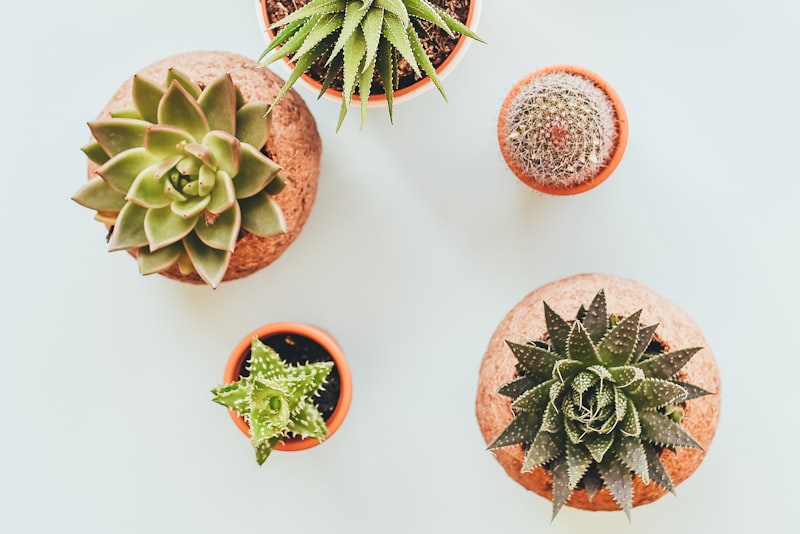
Not every plant cares, so save your effort for the ones that do. Succulents, cacti, and many tough foliage plants are perfectly happy in dry air, while ferns, calatheas, and other humidity-lovers are the ones most likely to show distress. Match the effort to the plant rather than fussing over all of them equally.
Getting through to spring#
The overall mindset for winter is patience and restraint. Your plants are resting, not thriving, and the aim is simply to keep them healthy and steady until the light returns rather than to push new growth. Hold off on repotting and feeding for now too, since a resting plant has little use for either, and both are far better left until the growing season resumes.
When spring arrives and the days lengthen, you'll see plants wake up, pushing out fresh leaves and drinking more again. That's your cue to gradually step watering back up, resume feeding, and think about any repotting, easing back into the fuller routine that suits the brighter months. Winter care isn't about doing more, it's about doing less at the right time, and a plant carried gently through the dark months rewards you the moment the light comes back.