A small garden is not a compromise. Some of the most restful, well-loved outdoor spaces I've seen are the size of a parking spot, and they work precisely because someone thought hard about every corner. Limited space forces good decisions, and good decisions are what make a garden feel calm rather than cluttered.
The trick is to stop treating "small" as a problem to hide and start treating it as a shape to work with. You don't need a clever illusion to make a tiny plot feel generous. You need a plan, a bit of restraint, and a willingness to leave some things out.
Start with how you'll actually use it#
Before you think about plants, think about people. Ask yourself what this space is for. Somewhere to drink coffee in the morning? A spot for two chairs and a glass of wine at dusk? A place for children to dig, or a green view from the kitchen window? The answer shapes everything that follows.
Once you know the purpose, divide the space into loose zones, even if it's a courtyard barely bigger than a rug. A seating zone, a growing zone, a path to move through. Zones sound like a luxury reserved for big gardens, but they matter more when space is tight, because they stop the whole area from becoming one vague muddle. A clear job for each patch makes the garden feel considered.
Resist the urge to cram every function in. A small garden that tries to be a dining room, a vegetable plot, a play area, and a wildflower meadow ends up doing none of them well. Pick one or two roles and commit. You can always change your mind next season.
Get the scale right#
Scale is where small gardens most often go wrong, and it's usually the opposite of what people expect. The instinct is to choose tiny everything: little pots, narrow beds, a bistro set with legs like pencils. The result feels fussy and somehow smaller, because the eye has too many small things to count.
Bigger, fewer elements read as calmer and, oddly, more spacious. One large pot with a striking plant does more than six small ones lined up on a shelf. A single wide bench beats a scatter of folding chairs. Give your key pieces some presence and let them anchor the space.
- Choose a few large containers rather than many small ones
- Use one paving material, or two at most, to keep the ground calm
- Repeat the same plant in several spots to create rhythm instead of chaos
- Leave some open floor; empty space is not wasted space
That last point is the hardest to accept. Bare ground or clear paving gives the eye somewhere to rest, and rest is what makes a garden feel bigger. If you're unsure which plants earn their place, my guide on how to choose plants for your space walks through matching plants to real conditions rather than wishful thinking.
Grow upward, not just outward#
When floor space runs out, look up. Walls, fences, and even the sides of a shed are unused real estate, and they can hold a surprising amount of green. Climbers like jasmine or a well-behaved clematis will cover a trellis without eating into the ground. A row of pots fixed to a fence, a wall-mounted planter, a simple set of shelves for herbs — all of it buys you growing room you didn't think you had.
Vertical planting does something else, too: it draws the eye upward and makes the boundaries feel taller and further away. A bare fence at head height says "this is the edge." The same fence clothed in foliage feels like a green backdrop with no obvious limit.
A small garden feels larger the moment the walls disappear behind leaves. Cover your vertical surfaces first, and the ground plan almost takes care of itself.
Be practical about weight and watering. Anything mounted high needs secure fixings and will dry out faster than a bed in the ground, so build watering into your routine from the start. Group thirsty pots together where you can reach them easily.
Give the eye somewhere to land#
Every small garden needs a focal point — one thing your eye goes to first. Without it, the space reads as a collection of bits. With it, everything else falls into supporting order around that anchor. This is the single change that most often turns a fine little garden into one that feels designed.
Your focal point doesn't need to be expensive. A handsome pot, a small tree in a container, a piece of weathered sculpture, a mirror on a wall, or even a single boldly coloured chair can do the job. Place it where you'll see it from your main viewpoint, usually a window or the doorway you come out of most.
One focal point is plenty. Two compete, and three cancel each other out. If you love several lovely objects, rotate them through the season rather than showing them all at once. Restraint reads as confidence in a small space.
Lead the eye through the space#
A straight path running from the door to the back fence tells you exactly how small the garden is in a single glance. Set that path at a diagonal, or curve it so it slips behind some planting, and the same plot suddenly feels longer, because the eye has to travel to follow it. This is one of the oldest tricks in small-garden design, and it costs nothing but a change of angle.
You can borrow the view beyond your own boundaries, too. If there's a handsome tree in a neighbour's garden or a glimpse of green over the fence, frame it rather than screening it out, and your garden appears to extend into the distance. A mirror on a wall, used sparingly, can suggest a passage through to somewhere else, though one is plenty — more starts to feel like a trick rather than a garden.
Repeating a colour or a plant from the front of the space to the back also stitches it together and carries the eye onward. The aim of all these small moves is the same: give the eye reasons to keep travelling, and a garden stops announcing its size the moment you step into it.
Let it settle and fill in#
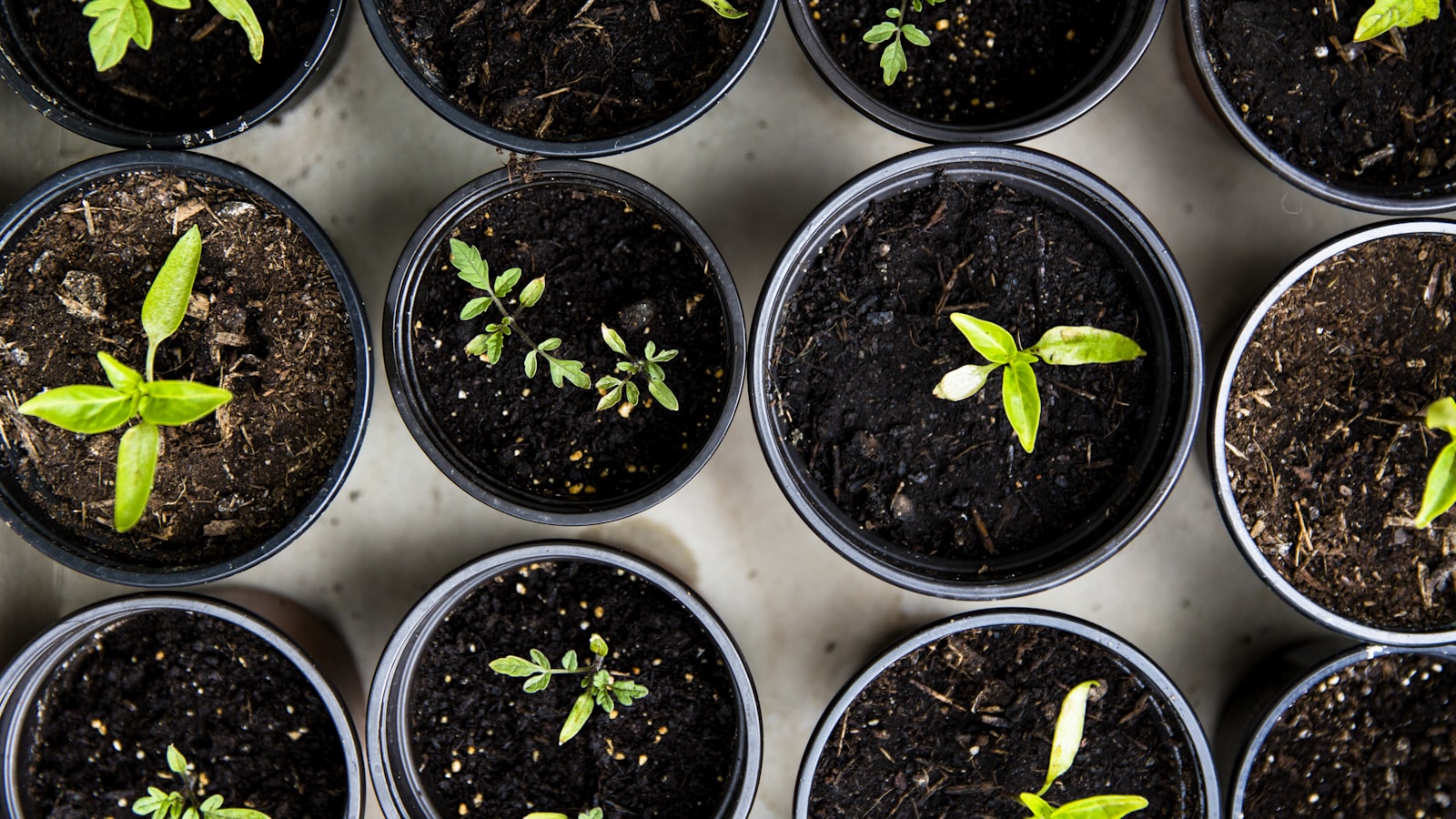
The last piece of advice is the least fashionable: plant a little less than you think you need, and give it time. Small gardens tempt us to fill every gap immediately, because the emptiness feels like a mistake. It isn't. Plants grow, spread, and soften edges, and a bed that looks sparse in spring will knit together by late summer.
Choosing tougher, slower plants also means less fussing later. If you'd rather spend weekends sitting in the garden than working on it, my notes on how to create a low-maintenance garden pair naturally with a small-space plan.
Start with how you want to live in the space, keep the scale generous, use your walls, and give the eye one clear place to land. Do that and a small garden stops feeling like the garden you settled for and starts feeling like exactly the one you wanted.